
The Telehealth Experience: What to Expect and Why It Works
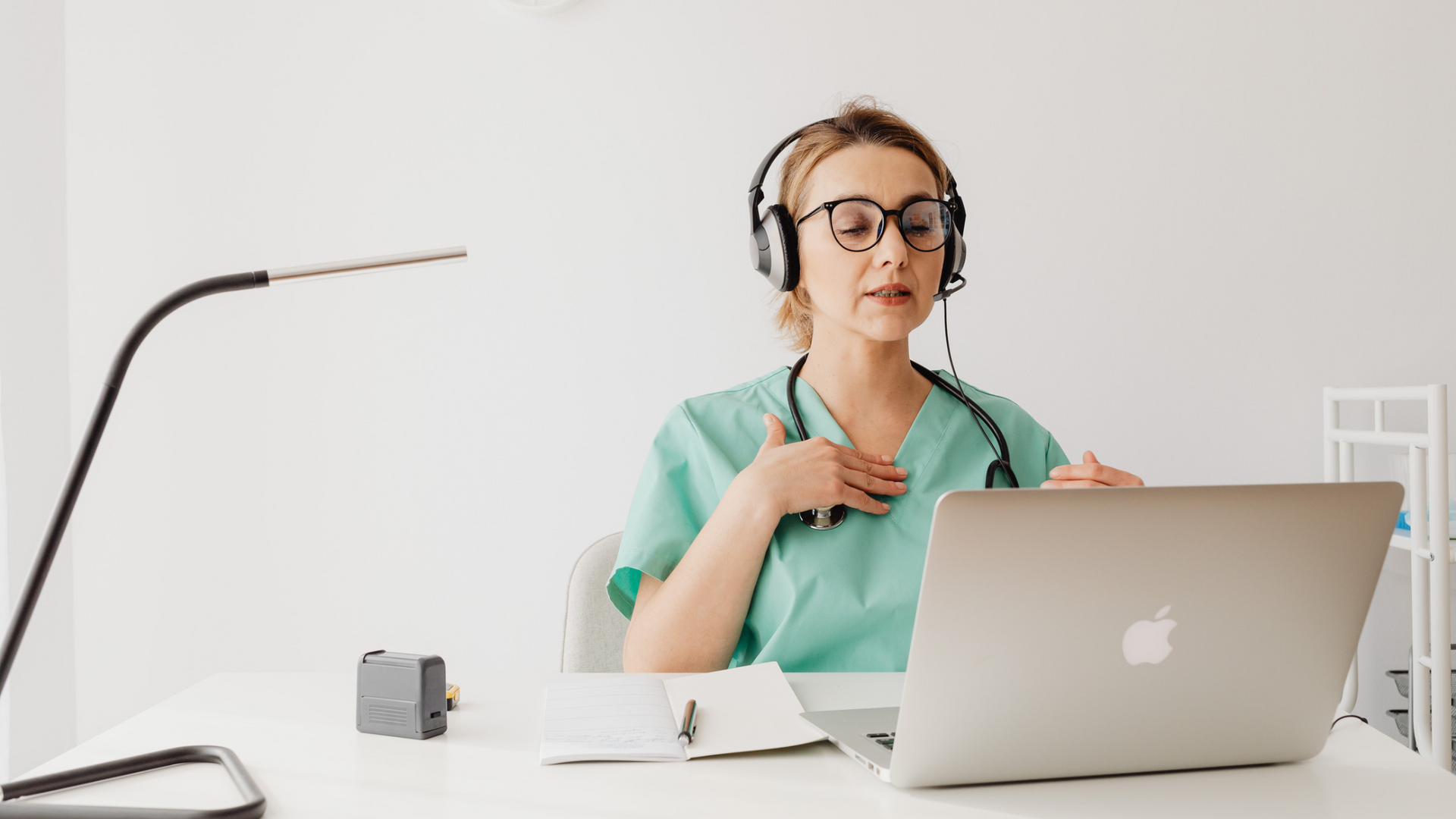
When most people think of allied health services, they picture sitting in a clinic room across from a therapist. Yet for many Australians, supports are increasingly being delivered through a screen, from the comfort of home.
Telehealth has rapidly evolved from a temporary solution into a flexible and effective way for people to access Occupational Therapy, Behaviour Support, Psychology, Speech Pathology, and other allied health services. Research continues to demonstrate that telehealth can achieve outcomes comparable to in-person services for many assessment, coaching, consultation, and capacity-building interventions when delivered appropriately. [frontiersin.org], [health.gov.au]
But what does telehealth actually look like?
It's More Personal Than People Expect
One of the most common concerns people have before their first telehealth appointment is that it will feel impersonal.
Interestingly, many participants report the opposite.
Being at home often means people feel more relaxed and comfortable in their own environment. Therapists can also gain valuable insight into everyday routines, home setups, and real-world challenges that may not be visible in a clinic setting.
Rather than removing connection, telehealth can sometimes strengthen it by allowing conversations and problem-solving to happen in the spaces where daily life actually occurs.
What Happens During a Telehealth Appointment?
While every service is different, a telehealth session generally looks much like an in-person appointment.
Your clinician may:
- Discuss goals, challenges, and progress
- Observe activities within your home environment
- Provide coaching or skill-building strategies
- Review equipment or environmental setup
- Collaborate with family members, carers, or support teams
- Develop plans and recommendations together
All you typically need is:
- A device with a camera and microphone
- A stable internet connection
- A quiet and comfortable space
Who Can Benefit?
Telehealth may be particularly beneficial for:
- People living in regional or remote areas
- Participants with mobility challenges
- Busy families juggling multiple appointments
- Individuals who feel more comfortable in familiar environments
- Support teams requiring collaborative meetings across locations
Importantly, telehealth isn't an "all or nothing" approach. Many participants choose a combination of face-to-face and virtual appointments depending on their goals and circumstances.
Getting the Most Out of Telehealth
A few simple steps can help make sessions more effective:
- Have any questions written down beforehand.
- Test your technology before the appointment.
- Keep relevant equipment or paperwork nearby.
- Consider who may be helpful to attend the session.
- Be open with your clinician about what's working and what isn't.
The most successful telehealth appointments are collaborative, practical, and tailored to the participant's needs.
It's About Access, Not Distance
At its heart, telehealth isn't simply about replacing face-to-face services. It's about increasing access, flexibility, and choice.
Whether supporting someone in a metropolitan centre, regional town, or rural community, telehealth creates opportunities for people to receive high-quality support where they are, reducing barriers and helping them stay connected to the services that matter most.
At helpz, we have seen firsthand how telehealth can support meaningful outcomes, build strong therapeutic relationships, and help participants work towards their goals, wherever they call home.
News & Insights
Check Our Latest Resources