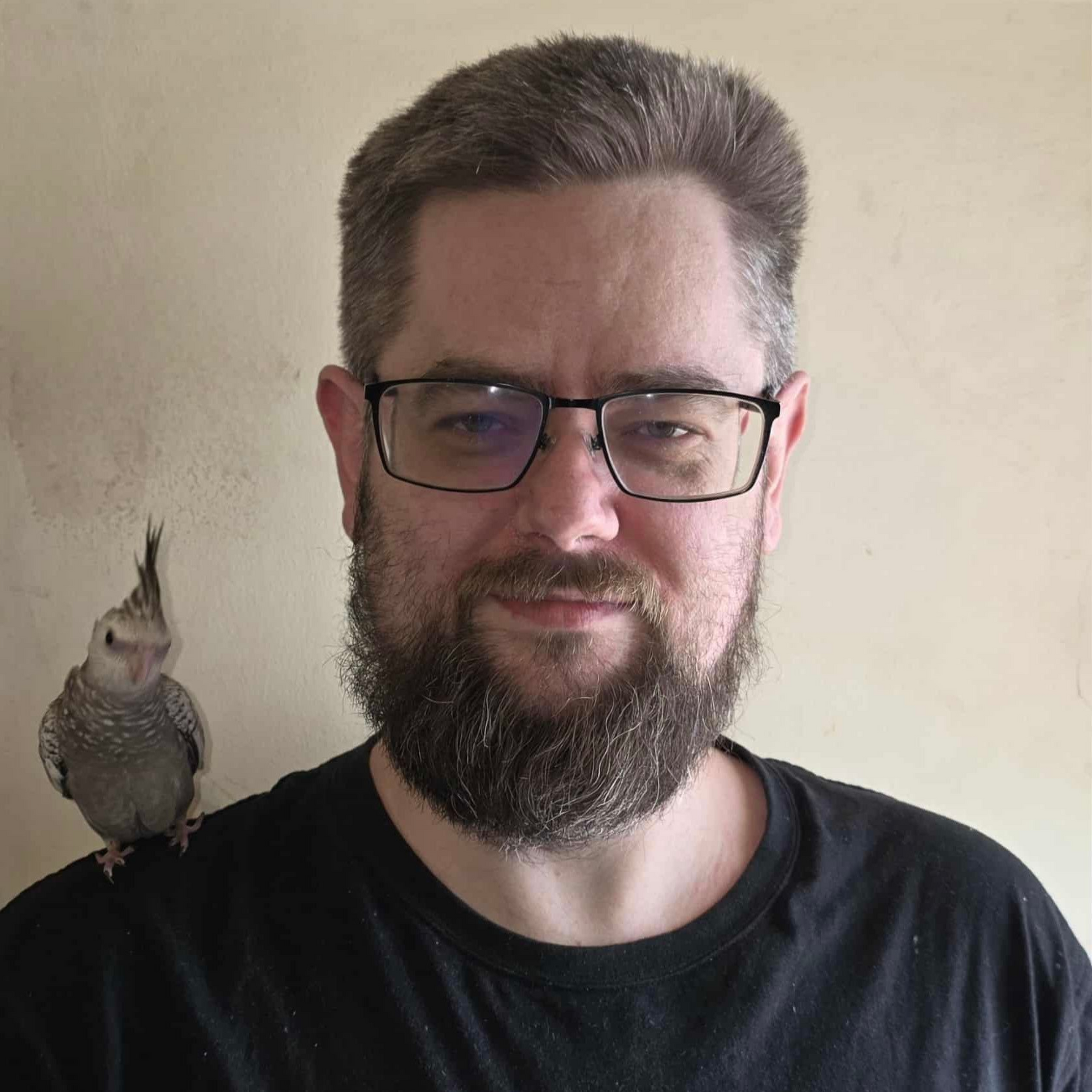

Tharon's Thoughts: Imposter Syndrome, Autism, and the Fear of Getting It Wrong

November 22, 2026


By Tharon

Neurodivergent Consultant at helpz


One of the most common conversations I have with people exploring whether they might be autistic rarely starts with certainty. It usually starts with doubt.


Someone will tell me they've been reading articles, watching videos, or listening to autistic people share their experiences, and for the first time in their life they feel like they're hearing their own story reflected back to them. The challenges with social situations, feeling overwhelmed in busy environments, struggling with change, needing routine, masking their way through conversations, or constantly feeling different from everyone around them suddenly seem to make sense.


Then almost immediately, the doubt creeps in.


"What if I'm wrong?"


It's a question many people sit with for months or even years. They worry they're imagining things, seeking attention, or looking for an explanation where there isn't one. They tell themselves that everyone finds social situations exhausting sometimes, or they convince themselves they are introverted. Everyone feels overwhelmed occasionally. Everyone struggles with organisation, concentration, relationships, or fitting in from time to time. They convince themselves that what they're experiencing can't be autism because surely someone would have noticed by now (perhaps they did? They just called it quirky, eccentric, or weird).


For many autistic adults, particularly those diagnosed later in life, that self-doubt can become a form of imposter syndrome. Even while recognising themselves in countless autistic experiences, they continue questioning whether their own experiences are somehow not valid enough.


Part of the problem is that many of us grow up assuming everyone experiences the world the way we do. We don't have another point of reference. If bright lights are exhausting, we assume everyone is forcing themselves through the discomfort. If socialising feels exhausting or like work, we assume everyone else must be equally tired afterwards. If following unspoken social rules feels confusing, we assume we're simply not trying hard enough to understand them.


When you are operating from that perspective, it becomes very easy to blame yourself.


Rather than wondering whether your brain processes information differently, you begin believing what others have told you your whole life - you are lazy, disorganised, oversensitive, socially awkward or anti-social, or somehow failing at things that seem effortless for other people. Those beliefs can become deeply ingrained or internalised over time, particularly when they're reinforced by feedback from school, workplaces, friends, or family members who may not understand what is happening beneath the surface.


This is one of the reasons why receiving an autism diagnosis can be such a significant experience for many people. Research and personal experience suggest that diagnosis often provides greater self-understanding, validation, and a pathway to appropriate supports and accommodations. Many autistic adults, such as myself, describe feeling a sense of euphoric relief when lifelong experiences finally have an explanation that makes sense. 


What strikes me most when speaking with newly diagnosed adults is that the diagnosis itself doesn't change who they are. They are the same person they were the day before receiving it. What often changes is the story they have been telling themselves.


Instead of viewing every struggle as evidence of a personal flaw, they begin seeing patterns. Situations that once felt like individual failures start to make sense within the context of how their brain works. Experiences that previously felt isolating become more understandable. Many people discover a level of self-compassion that had been missing for years.


I often hear people say they don't want a label, and that's absolutely their choice. However, I've found that many people who reject an autism label have spent much of their lives carrying other labels instead. They have been called difficult, dramatic, lazy, rude, too sensitive, too intense, too quiet, too emotional, or not resilient enough. Those labels may not have been formal, but they can shape the way a person sees themselves just as powerfully.


The difference is that an autism diagnosis is not intended to define limitations. At its best, it provides context. It offers a framework for understanding strengths, challenges, support needs, and ways of engaging with the world that may be different from those of neurotypical peers.

As someone working as a Neurodivergent Consultant, I still experience imposter syndrome myself. There are days when I compare my abilities to those of others and question whether I should find certain tasks as difficult as I do. One example is getting ideas from my head onto paper. I often need support with that process, and for a long time I viewed that need as evidence that I wasn't capable enough.


Over time, I've learned to view it differently.


Needing support doesn't mean a person lacks ability. It means they understand what helps them perform at their best.


We generally accept that people use tools and supports in many aspects of life. Nobody questions whether someone should wear glasses to improve their vision or use mobility equipment to navigate their environment. Yet when it comes to neurodivergence, people sometimes view accommodations as special treatment rather than practical adjustments.


The reality is that accommodations don't create strengths that weren't already there. They remove barriers that make it harder for those strengths to be seen.


I think that's why conversations about autism are so important. Increased awareness has encouraged more people to explore questions they may have carried quietly for years. While awareness can sometimes attract criticism or misconceptions, it has also allowed countless people to better understand themselves and to seek support that improves their wellbeing and quality of life. The evidence consistently shows that identification and appropriate support has a positive impact on outcomes, self-understanding, and participation in everyday life. 


If there is one thing I would want readers to take away from this article, it is that you don't need to have everything figured out before you begin asking questions about yourself. Curiosity is not self-diagnosis. Exploring your experiences is not attention-seeking. Wondering whether there may be another explanation for lifelong challenges is not a sign that you're looking for excuses.


Often, it is the first step toward understanding yourself with greater honesty and kindness. 


And for many people, that understanding is life-changing.


References 

Autism Association of Australia n.d., Why pursue a diagnosis in adulthood for autism?, Autism Association of Australia, viewed 14 October 2026.

Eunice Kennedy Shriver National Institute of Child Health and Human Development (NICHD) n.d., Early intervention for autism, NICHD, viewed 14 October 2026. 

Rising People Psychology 2023, Adult autism diagnosis: benefits & assessment, Rising People Psychology, 19 July, viewed 14 October 2026.

The Conversation 2026, Autism and ADHD: people need support before diagnosis, but getting one can change their lives, The Conversation, 9 October, viewed 14 October 2026.


News & Insights

Check Our Latest Resources

November 22, 2026
Natalie Bastinac Behaviour Support Practitioner 
November 22, 2026
When most people hear the term Tourette Syndrome, they often think of uncontrollable swearing. While this stereotype is common in movies and television, it represents only a small part of the reality for people living with the condition. Tourette Syndrome is a neurological condition that affects the brain and nervous system. It is characterised by involuntary movements and sounds known as tics. These tics can vary significantly from person to person and may change over time. Some people experience mild symptoms that have little impact on daily life, while others may require additional support to manage more complex challenges. Despite common misconceptions, Tourette Syndrome is much more than the tics that others can see. Tics are sudden, rapid and recurring movements or sounds that occur involuntarily. Motor tics may include blinking, shoulder shrugging, facial movements or head movements. Vocal tics can include throat clearing, sniffing, humming or repeating certain sounds or words. Many people describe experiencing an uncomfortable sensation or urge before a tic occurs. Performing the tic often provides temporary relief, much like scratching an itch. While some individuals can suppress tics for short periods, doing so can be physically and mentally exhausting. One of the most misunderstood aspects of Tourette Syndrome is that tics are not typically performed intentionally. This can sometimes lead to assumptions that the person is seeking attention, being disruptive or deliberately choosing the behaviour when this is not the case. Tourette Syndrome rarely occurs on its own. Many individuals also experience conditions such as Attention Deficit Hyperactivity Disorder (ADHD), Obsessive Compulsive Disorder (OCD), anxiety or sensory processing differences. These co-occurring conditions can often have a greater impact on daily life than the tics themselves. For example, a student may be more affected by difficulties with concentration, emotional regulation or organisation than by their physical or vocal tics. Similarly, anxiety about how others will react can sometimes become a significant source of stress. From a support perspective, understanding and acceptance can make a tremendous difference. Many people with Tourette Syndrome report that negative reactions from others are often more challenging than the tics themselves. Staring, correcting, drawing attention to the tics or asking the person to stop can increase anxiety and, in some cases, make tics more noticeable. Creating supportive environments often involves educating others, reducing unnecessary attention to tics and ensuring the person feels accepted and included. Schools, workplaces and community settings that foster understanding help people with Tourette Syndrome participate more confidently and comfortably. It is equally important to recognise that Tourette Syndrome does not define a person's abilities, personality or potential. Individuals with Tourette Syndrome pursue careers, build relationships, achieve educational goals and contribute meaningfully to their communities every day. Many people develop remarkable resilience, self-awareness, creativity and problem-solving skills through navigating challenges associated with their condition. Like all people, individuals with Tourette Syndrome are unique. Their interests, strengths, goals and aspirations extend far beyond any diagnosis. The more we move beyond stereotypes and focus on understanding, the more we create communities where people feel respected, valued and supported to be themselves.
November 22, 2026
As the year begins to draw to a close, many people find themselves feeling more tired than usual. Tasks that once seemed manageable suddenly require more effort. Patience feels shorter. Small challenges feel bigger. Motivation fluctuates. Emotional regulation becomes harder. It is not uncommon for families, support workers and educators to notice changes in behaviour, engagement or mood during the final months of the year. While these changes can sometimes be concerning, they are often linked to something that affects all of us: end-of-year fatigue. For people with disability, neurodivergent individuals, family members and support networks, the impact can be particularly significant. Throughout the year, people are constantly adapting to demands. There are appointments to attend, goals to work towards, schedules to follow, relationships to navigate and unexpected challenges to manage. Even positive experiences require energy. Over time, those demands accumulate. Much like a phone battery that gradually loses charge throughout the day, people can experience a gradual depletion of their emotional, physical and mental resources across the year. From a behaviour support perspective, this is important to recognise because fatigue does not only affect energy levels. It can influence how people cope, communicate and respond to the world around them. When someone is tired, their ability to manage frustration is often reduced. Waiting becomes harder. Unexpected changes feel more difficult. Problem-solving may take longer. Emotional responses can feel more intense. Activities that would normally be manageable may suddenly seem overwhelming. Importantly, this does not mean the person is choosing to be difficult or is losing previously developed skills. Often, their capacity has simply been stretched. For autistic individuals and people with sensory processing differences, the end of the year can bring additional challenges. School events, celebrations, changes in routine, crowded environments, travel and increased social expectations can all place extra demands on an already tired nervous system. Many people are expected to participate in more activities than usual at exactly the time when they may have less capacity available. What sometimes appears to be a sudden increase in anxiety, withdrawal or behaviours of concern may actually be a sign that the person is running low on the resources they use every day to navigate their environment. Families often describe seeing their child or family member "hold it together" throughout the day, only to become emotional, upset or exhausted later. This is not uncommon. Maintaining regulation takes effort. Participating in social environments takes effort. Managing sensory information takes effort. Communicating needs takes effort. By November and December, many people are simply carrying the weight of months of effort behind them. This understanding can help shift our perspective. Rather than asking, "What's wrong?" it can be helpful to ask, "What has this person been managing lately, and how much energy might that be taking?" Once we begin viewing behaviour through this lens, our focus naturally shifts toward support rather than correction. Sometimes the most effective response is not adding more demands. It may be reducing them. It may look like scheduling fewer activities, providing more opportunities for downtime, maintaining predictable routines, increasing access to preferred activities or simply allowing extra time for rest and recovery. The same applies to support workers, parents and carers. The disability sector is built on relationships, and those relationships require energy. Supporting others through challenges, advocating, coordinating appointments and maintaining daily responsibilities can leave even the most dedicated people feeling exhausted. Recognising our own fatigue is just as important as recognising fatigue in the people we support. End-of-year fatigue is not a sign of failure, lack of resilience or insufficient motivation. It is often a natural response to a year filled with growth, learning, adaptation and effort. As the year comes to a close, there can be value in slowing down and acknowledging progress rather than focusing solely on what remains to be achieved. For some people, progress may look like achieving a significant goal. For others, it may look like developing a new relationship, communicating a need more effectively, participating in a new activity or navigating a difficult period with support. These achievements matter. The end of the year offers an opportunity to recognise both the visible and invisible effort that people have invested in getting to this point. Sometimes the most supportive thing we can do is give ourselves and others permission to rest, recharge and celebrate how far we have come.  Because growth does not only happen when we are moving forward at full speed. Sometimes it happens when we pause, recover and prepare for what comes next.