

Challenging Behaviour or Unmet Need? Looking Beyond What We See

When a person displays behaviour that others find challenging, it is easy to focus on the behaviour itself.
We might see someone refusing instructions, becoming aggressive, withdrawing from activities, damaging property or engaging in repetitive behaviours that appear unusual. In those moments, attention naturally shifts to managing what is happening right in front of us.
But behaviour support practitioners are trained to ask a different question.
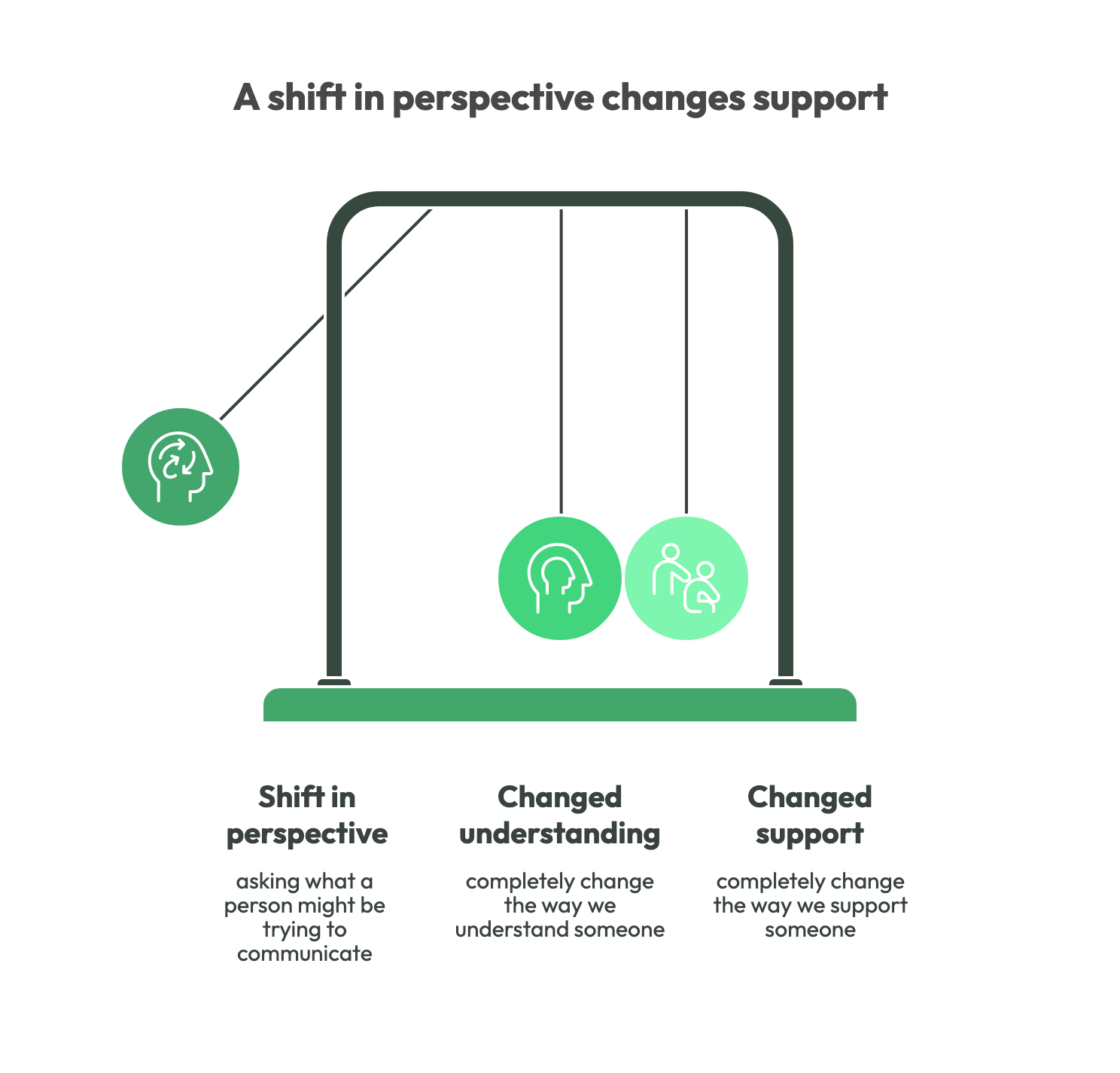
Instead of asking, "How do we stop this behaviour?" we ask, "What might this person be trying to communicate?"
This shift in perspective can completely change the way we understand and support someone.
All behaviour serves a purpose. Whether a person uses spoken language, gestures, signs, communication devices or behaviour itself, they are communicating something about their needs, experiences or environment.
Sometimes the unmet need is surprisingly simple.
The person may be experiencing pain but lack the communication skills to explain it. A toothache, headache, gastrointestinal discomfort or lack of sleep can significantly affect mood, tolerance and behaviour. When physical discomfort goes unnoticed, behaviour may become the only visible sign that something is wrong.
At other times, the unmet need may be sensory. Some people experience certain sounds, lights, textures or crowded environments much more intensely than others. What appears to be a refusal, shutdown or behavioural incident may actually be a response to overwhelming sensory input.
Communication difficulties are another common factor. Imagine being unable to explain what you want, ask for help, express frustration or tell someone you need a break. For many people with communication challenges, behaviour can become the fastest and most effective way to have their needs recognised.
We also frequently see behaviours linked to predictability and understanding. Unclear expectations, unexpected changes, lengthy waiting periods or confusing instructions can create significant anxiety. In these situations, behaviour is often a reflection of uncertainty rather than unwillingness.
From a positive behaviour support perspective, it is important to understand that behaviour rarely occurs in isolation. There are often environmental, emotional, social and biological factors influencing what we see. A person who appears highly distressed during a task may actually be carrying the effects of poor sleep, illness, sensory overload, previous negative experiences or anxiety about failure.
This is why quality behaviour support focuses on prevention as much as response.
Rather than waiting for problems to emerge, practitioners work alongside participants, families and support teams to understand patterns. We look at what happens before a behaviour, what happens afterwards and what factors may be increasing vulnerability throughout the day.
When we understand the underlying need, we can begin teaching more effective ways for that need to be met.
A person who uses behaviour to escape difficult tasks may benefit from learning how to request a break. Someone seeking connection may need support to develop social communication skills. A person experiencing sensory overwhelm may benefit from environmental adjustments and sensory regulation strategies.
The goal is not to eliminate behaviour. The goal is to improve quality of life.
The most successful behaviour support approaches recognise that behaviour is often a signal rather than a problem. When we view behaviour through a lens of curiosity rather than judgement, we are more likely to uncover what the person truly needs.
And sometimes, the greatest change occurs not because the person changes, but because the people around them develop a deeper understanding of what they have been trying to communicate all along.
If you or anyone you know could benefit from Behaviour Support, get in touch with us today.
News & Insights
Check Our Latest Resources