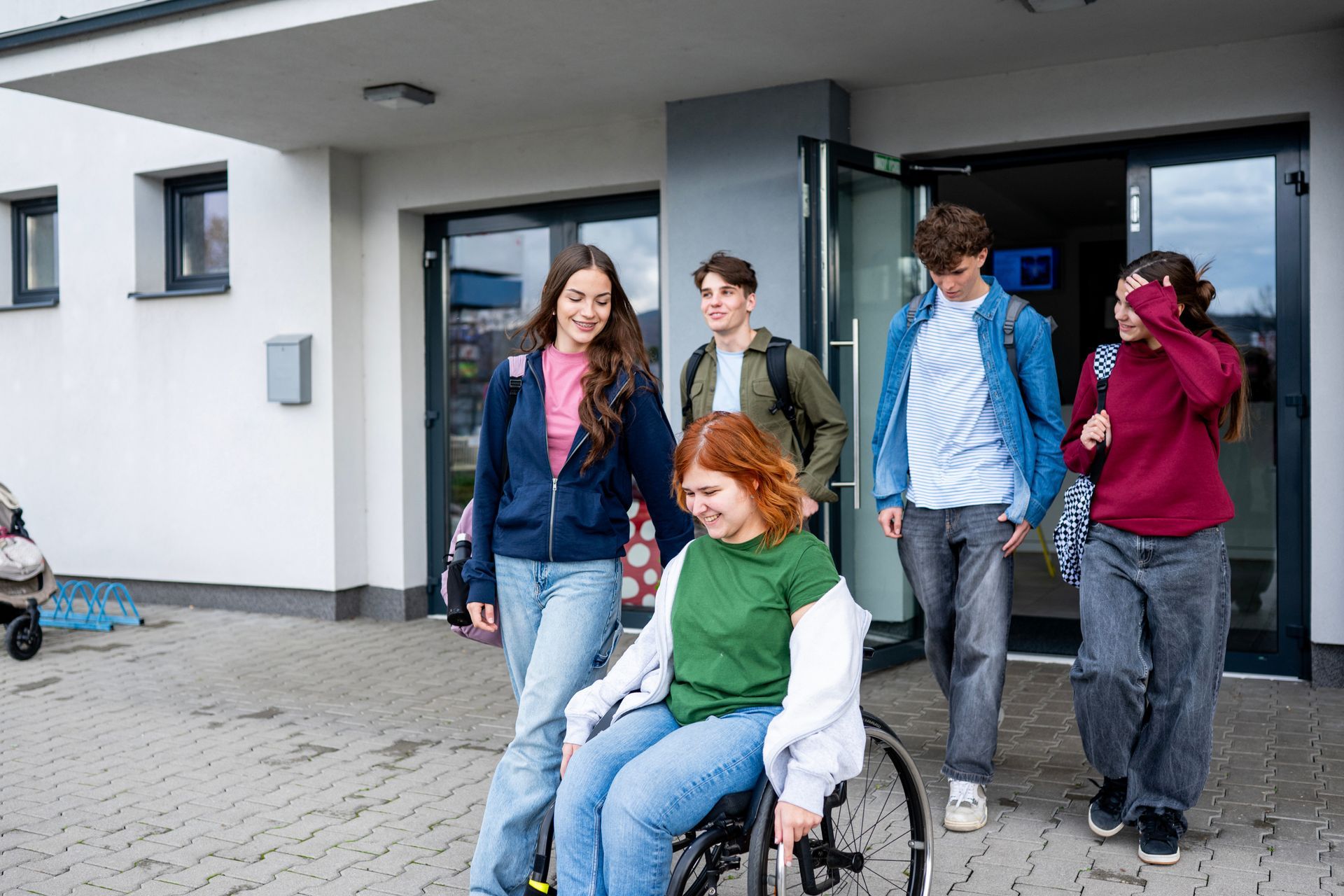

Meaningful Engagement and Active Support: Creating Lives Filled with Purpose, Choice and Connection
July 16, 2026

For people living with disability and older Australians, quality support is about far more than meeting daily care needs. It is about creating opportunities to live a life that feels meaningful, connected and personally fulfilling.

At the heart of this approach are two powerful concepts: Meaningful Engagement and Active Support.


When these approaches are embedded into everyday practice, people are supported to participate in their communities, develop and maintain skills, build relationships and make choices about how they spend their time.


Rather than support being something that is done for a person, it becomes something that is done with them.


What is Meaningful Engagement?


Meaningful engagement refers to participation in activities, relationships and experiences that are personally valued by the individual.

What feels meaningful will look different for everyone.


For one person, it may be joining a community gardening group. For another, it might mean spending time with family, learning a new skill, volunteering, attending a sporting event or contributing to their household in a way that matters to them.


Meaningful engagement is not about simply keeping people busy. It is about understanding what brings purpose, enjoyment, belonging and a sense of achievement to each person’s life.


Meaningful participation can support wellbeing, strengthen social connection and contribute to greater independence and quality of life. For older adults, it may also support cognitive health and reduce feelings of isolation. For people living with disability, meaningful engagement can promote choice, self-determination and inclusion.


The starting point is not asking, “What activity can we organise?”


It is asking, “What matters to this person?”


What is Active Support?


Active Support is a person-centred approach that helps people participate in everyday activities and relationships, regardless of the level of support they require.


Rather than automatically completing tasks on behalf of someone, support workers look for meaningful and achievable ways to involve the person.


This may include:


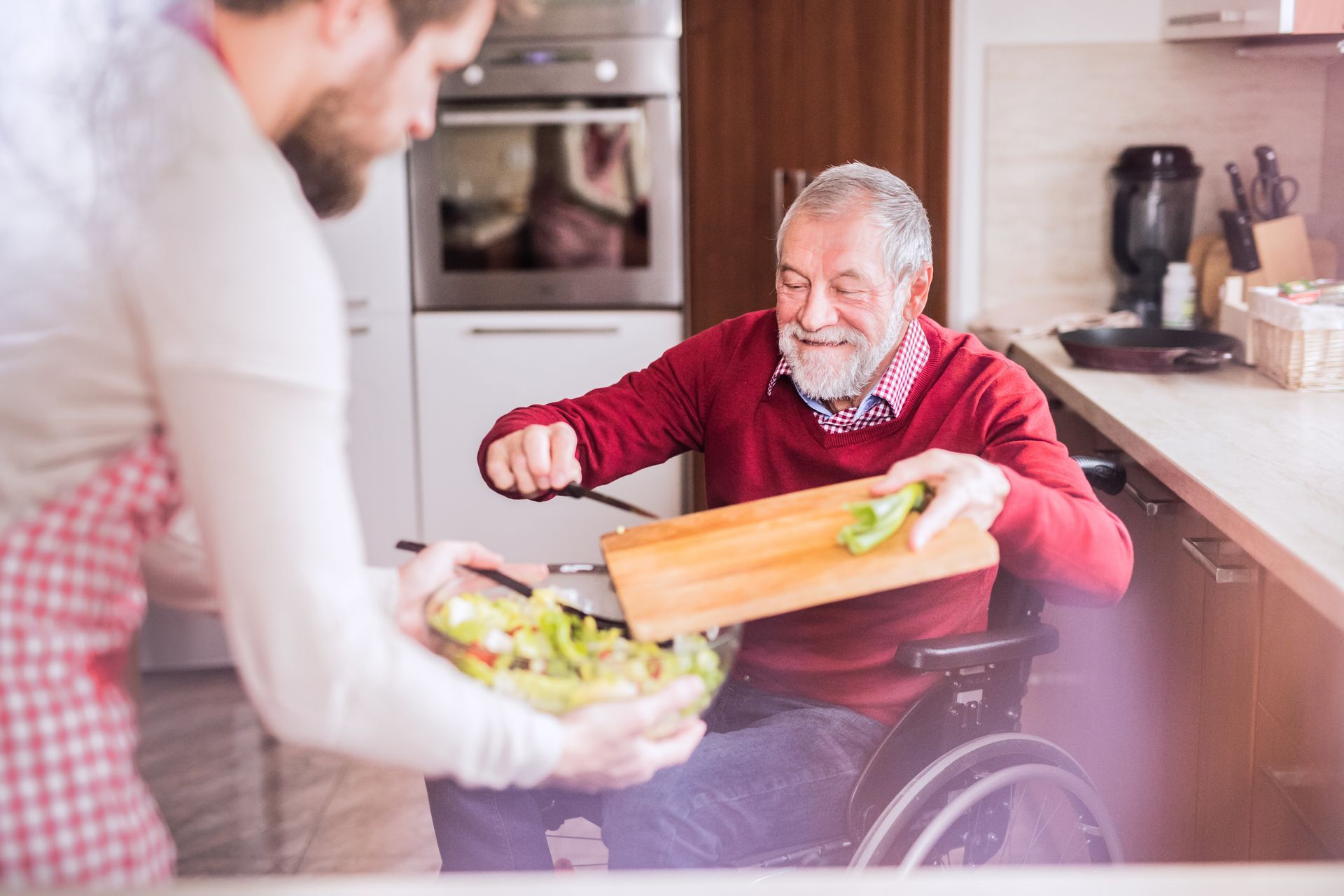
  • Helping someone prepare part of a meal
  • Supporting participation in shopping or community activities
  • Encouraging involvement in household routines
  • Assisting someone to pursue hobbies or personal interests
  • Creating opportunities for social interaction and relationship building
  • Breaking an activity into smaller, more manageable steps
  • Offering the right level of assistance, encouragement or guidance


The principle is simple: every person can participate when the right support is provided.


Participation does not have to mean completing an entire activity independently. It might mean choosing the ingredients for a meal, stirring the mixture, carrying an item to the table or deciding how the table will be set.


Even small moments of involvement can help build confidence, maintain or develop skills and create a stronger sense of contribution, belonging and achievement.


Why Meaningful Engagement and Active Support matter


People living with disability and older adults can sometimes become passive recipients of support.


Care and assistance are important, but an over-reliance on “doing for” rather than “doing with” can unintentionally reduce opportunities for participation, growth, independence and connection.


When Meaningful Engagement and Active Support are prioritised:


  • People have greater choice and control over their lives
  • Existing skills can be maintained and strengthened
  • New skills can be developed
  • Confidence and self-esteem can grow
  • Social isolation may be reduced
  • Community participation can increase
  • People can experience a greater sense of purpose and satisfaction


Most importantly, individuals are recognised for their abilities, strengths, preferences and aspirations, rather than being defined by their age or support needs.


Meaningful support does not take control away from a person in the name of efficiency. It creates the time, encouragement and opportunity for that person to take part in their own way.


Turning good intentions into everyday practice


Creating meaningful engagement involves more than planning occasional activities. It requires support teams to understand the individual behind the support plan and look for opportunities within everyday life.


Effective support teams regularly ask:


  • What matters most to this person?
  • What are their interests, goals and aspirations?
  • What choices can they make throughout the day?
  • How can everyday routines become opportunities for participation?
  • What level of support will help them participate successfully?
  • What barriers may be preventing engagement?
  • How can those barriers be reduced?
  • How can support be adapted to maximise choice and independence?
  • How will we know whether the experience is genuinely meaningful to them?


These questions can be applied to everyday routines, including preparing meals, shopping, household tasks, personal care, recreation and community participation.


Support should also be flexible. A person’s interests, abilities, energy and preferences may change from day to day. Active Support means paying attention, adapting the approach and offering encouragement without pressure.


When these principles become part of everyday practice, meaningful engagement moves from being an occasional activity to a consistent way of supporting people.


Want practical guidance on bringing Meaningful Engagement and Active Support into everyday practice? Explore the helpz Meaningful Engagement & Active Support webinar for practical strategies, real-life examples and tools you can begin applying in your role.


Explore the webinar


Creating opportunities for purpose, choice and connection


Meaningful Engagement and Active Support are not about expecting people to do everything independently.


They are about recognising that everyone should have opportunities to participate, contribute, make choices and experience a sense of achievement.


This requires support workers and teams to slow down when needed, notice opportunities for involvement and consider how the right level of assistance can help each person take part.


It might mean:


  • Offering a choice between two activities
  • Allowing additional time for someone to complete part of a task
  • Using visual prompts or step-by-step guidance
  • Adapting an activity to suit a person’s abilities
  • Building activities around the person’s interests
  • Encouraging participation without taking over
  • Recognising and celebrating individual contributions


These actions may appear small, but they can have a meaningful impact on a person’s confidence, independence and sense of belonging.


Put Meaningful Engagement into practice


At helpz, we are passionate about helping teams deliver person-centred support that genuinely enhances quality of life.


Our Meaningful Engagement & Active Support webinar explores practical ways to identify what matters to each person, create more opportunities for participation and provide support that strengthens choice, independence and connection.


Presented by Tran Vu and Lauren O’Meara, the session covers:


  • What Meaningful Engagement means
  • The benefits of Meaningful Engagement
  • How to support meaningful participation
  • Practical Active Support strategies
  • Real-life examples
  • Tools to help measure success


Whether you support people living with disability, older adults or both, the webinar offers practical insights and tools that can be applied in everyday service delivery.


Together, we can move beyond simply providing care and create more opportunities for people to live lives filled with purpose, belonging and meaningful participation.


Because great support is not measured only by what we do for people. It is also reflected in how we empower them to participate, contribute and do more for themselves.


Ready to bring Meaningful Engagement and Active Support into everyday practice? Explore the webinar and enrol now


Explore the webinar and enrol now

News & Insights

Check Our Latest Resources

July 17, 2026
Congratulations Mitch – Behaviour Support Specialist of the Year Nominee
July 17, 2026
Younger Onset Dementia When most people hear the word dementia , they often picture an older person experiencing memory difficulties. However, dementia can also affect people under the age of 65, a condition known as Younger Onset Dementia (YOD) . In Australia, thousands of people are living with younger onset dementia, and the number is expected to continue increasing over coming decades. A diagnosis of younger onset dementia can be particularly challenging because it often occurs during a busy stage of life. Individuals may still be working, raising children, managing mortgages, maintaining relationships, and actively participating in their communities. As a result, the impact extends beyond the individual to affect families, workplaces, and support networks. What Is Younger Onset Dementia? Younger onset dementia is not a specific type of dementia. Rather, it is a term used when symptoms of dementia develop before the age of 65. Like older onset dementia, it can result from various conditions, including Alzheimer's disease, vascular dementia, frontotemporal dementia, Lewy body dementia, and other neurological disorders. Interestingly, memory loss is not always the first sign. Depending on the type of dementia, changes in personality, behaviour, decision-making, communication, emotional regulation, or problem-solving skills may appear before noticeable memory difficulties. This can make obtaining an accurate diagnosis more complex, as symptoms are sometimes mistaken for stress, depression, burnout, or other mental health concerns. Fascinating Facts About Younger Onset Dementia Dementia Is Not a Normal Part of Ageing One of the most common misconceptions about dementia is that it is an inevitable part of getting older. In reality, dementia is caused by diseases affecting the brain and can occur at almost any age. Symptoms Vary Significantly Between Individuals No two experiences of dementia are exactly the same. Some people may experience significant communication difficulties, while others may demonstrate changes in judgement, behaviour, social awareness, or emotional control. The person's age, lifestyle, diagnosis, support network, and overall health all influence how dementia presents. Early Signs May Be Behavioural Rather Than Cognitive For some individuals, particularly those with frontotemporal dementia, noticeable changes in behaviour or personality may occur before memory impairment becomes apparent. Family members often report that their loved one "just isn't themselves anymore" long before dementia is suspected. People Can Continue Living Meaningful Lives A diagnosis of younger onset dementia does not mean a person immediately loses their independence or quality of life. Many individuals continue participating in hobbies, employment, social activities, community events, and meaningful relationships for years following diagnosis when appropriate supports are in place. Understanding Behaviours of Concern As dementia affects different areas of the brain, individuals may experience difficulties interpreting information, communicating needs, regulating emotions, or responding to environmental demands. Behaviours of concern often emerge when a person is attempting to communicate an unmet need, discomfort, confusion, fear, or frustration. Rather than viewing these behaviours as deliberate or challenging, it is often more helpful to ask: "What is this person trying to tell us?" Agitation and Restlessness Agitation may present as pacing, fidgeting, repeatedly moving around an environment, or appearing unsettled. These behaviours may be linked to pain, anxiety, fatigue, boredom, sensory overload, or changes in routine. Verbal Aggression Some individuals may yell, swear, accuse others, or become argumentative. Often, these responses occur when the person is confused, frightened, unable to express themselves effectively, or feeling misunderstood. Physical Aggression Physical aggression, such as hitting, pushing, kicking, or throwing objects, is frequently associated with a perception of threat or loss of control. The individual may be attempting to protect themselves from something they do not understand or are unable to process. Repetitive Questions and Behaviours Repeating questions or actions can be frustrating for caregivers, but these behaviours often reflect memory difficulties, anxiety, or a desire for reassurance. The behaviour may help the individual feel safe and oriented in their environment. Withdrawal and Loss of Motivation Not all behaviours of concern are outwardly disruptive. Some people become increasingly withdrawn, lose interest in activities they once enjoyed, or disengage from social interactions. This can be related to changes in cognition, mood, confidence, or communication abilities. Wandering and Exit-Seeking A person may attempt to leave a home, workplace, or support setting because they are searching for familiarity, purpose, routine, or a place they associate with safety. These behaviours often reflect unmet emotional or environmental needs rather than intentional non-compliance. How Positive Behaviour Support Can Help Positive Behaviour Support (PBS) offers a person-centred framework for understanding and responding to behaviours of concern in individuals living with younger onset dementia. Rather than focusing on eliminating behaviours, PBS seeks to understand the function of the behaviour and improve the person's quality of life. Understanding the Reason Behind the Behaviour Behaviour support practitioners work collaboratively with the individual, family members, healthcare professionals, and support workers to identify factors contributing to distress. This includes examining: Environmental triggers Communication difficulties Physical health concerns Pain and discomfort Sensory sensitivities Changes in routine Social and emotional factors Understanding these influences allows support teams to develop proactive strategies that reduce distress before behaviours escalate. Improving Communication As dementia progresses, communication can become increasingly difficult. Positive Behaviour Support can assist by introducing strategies such as: Using clear and simple language Allowing additional processing time Reducing competing distractions Using visual supports and prompts Maintaining consistent communication approaches across support networks When communication improves, frustration and distress often decrease. Creating Supportive Environments The physical environment can significantly influence behaviour. Small modifications can produce meaningful improvements in wellbeing, including: Reducing noise and sensory overload Improving lighting and visibility Using visual cues and signage Supporting predictable routines Creating calm and familiar spaces These adjustments help individuals feel safer, more confident, and better able to navigate their daily lives. Promoting Meaningful Engagement People living with younger onset dementia continue to have goals, interests, strengths, and preferences. Behaviour support actively promotes meaningful participation in activities that provide: Purpose Connection Achievement Choice Enjoyment Maintaining these opportunities can reduce boredom, improve emotional wellbeing, and enhance quality of life. Supporting Families and Care Teams Families and support staff often experience significant stress when behaviours of concern emerge. Behaviour support practitioners provide education, coaching, and practical strategies that help supporters respond consistently, confidently, and compassionately while preserving the dignity and rights of the person living with dementia. Looking Beyond the Behaviour Perhaps the most important principle when supporting someone with younger onset dementia is recognising that behaviour is a form of communication. By moving beyond the behaviour itself and exploring the person's experiences, emotions, and unmet needs, we create opportunities for connection, understanding, and meaningful support. Positive Behaviour Support provides a framework for achieving this by focusing on the individual rather than the diagnosis. With the right supports, people living with younger onset dementia can continue to enjoy fulfilling lives, maintain important relationships, and participate in the activities that matter most to them. Supporting someone living with dementia means looking beyond their diagnosis or behaviour to understand their identity, experiences, relationships and unmet needs. In our article, Dementia Care: The Whole Person Is the Whole Point , we explore how a wellbeing-led approach can help us respond to distress with greater curiosity, compassion and respect. If you or someone you support is living with younger onset dementia and could benefit from person-centred Positive Behaviour Support, our team is here to help. Get in touch with helpz to discuss how we can support the person, their family and care team. 
July 17, 2026
How small, intentional actions can create more inclusive communities where everyone feels welcomed, valued and connected. Belonging is one of our most fundamental human needs. We all want to feel welcomed, valued, respected, and connected to the people and places around us. Yet for many people with disability, genuine inclusion can still be difficult to find. While awareness of disability has grown significantly in recent years, inclusion is about much more than simply opening the door. True inclusion means creating environments where people can actively participate, contribute, build relationships, and feel like they are a valued part of their community. At Helpz, we see every day how powerful belonging can be. Whether it's a student making friends at school, an adult joining a community group, or a person gaining confidence to participate in activities they enjoy, meaningful inclusion can have a positive impact on wellbeing, independence, and quality of life. Inclusion Starts with Small Actions The good news is that creating inclusive environments doesn't always require major changes. Often, the most meaningful improvements come from small, intentional actions that help people feel welcome and supported. Organisations can promote inclusion by: Using clear and accessible communication. Ensuring physical spaces are easy to navigate. Offering flexibility in how people participate. Creating opportunities for social connection and relationship-building. Asking people what support they need rather than making assumptions. Celebrating diversity and recognising individual strengths. These simple steps can make a significant difference to a person's experience and sense of belonging. Moving Beyond Accessibility Accessibility is essential, but belonging goes a step further. A wheelchair ramp may enable someone to enter a building, but belonging is about whether they feel included once they get inside. It's about being invited to participate, having a voice in decisions, being recognised for talents and contributions, and forming meaningful relationships. When organisations focus on belonging, they create environments where everyone has opportunities not just to attend, but to thrive. The Benefits of Inclusive Communities Inclusive organisations benefit everyone, not only people with disability. Diverse communities foster stronger relationships, encourage innovation, and create richer experiences for all members. When people with different backgrounds, abilities, and perspectives come together, communities become more connected, compassionate, and resilient. Looking Forward As we celebrate five years of Helpz, we are reminded that meaningful inclusion is a journey we all share. Every conversation, invitation, and act of understanding helps build communities where people feel seen, valued, and connected. Because at the heart of inclusion is a simple belief: everyone deserves the opportunity to belong. Creating a more inclusive world doesn't happen through grand gestures alone, it happens through everyday actions that ensure every person has the chance to participate, contribute, and thrive. Together, we can create communities where everyone feels they truly belong. A sense of belonging is especially important during childhood, shaping how children connect, participate and feel at school. In our artic le, Why Friendships Matter: Helping Children Feel They Belong at School , we explore how friendships and peer connection can support c hildren’s confidence, wellbeing and engagement in learning. At helpz, we work alongside individuals, families and support networks to create opportunities for greater participation, connection and independence. If you or someone you know could benefit from personalised support to feel more connected within their community, get in touch with our team.