
Tharon’s Thoughts - Autism in the classroomm
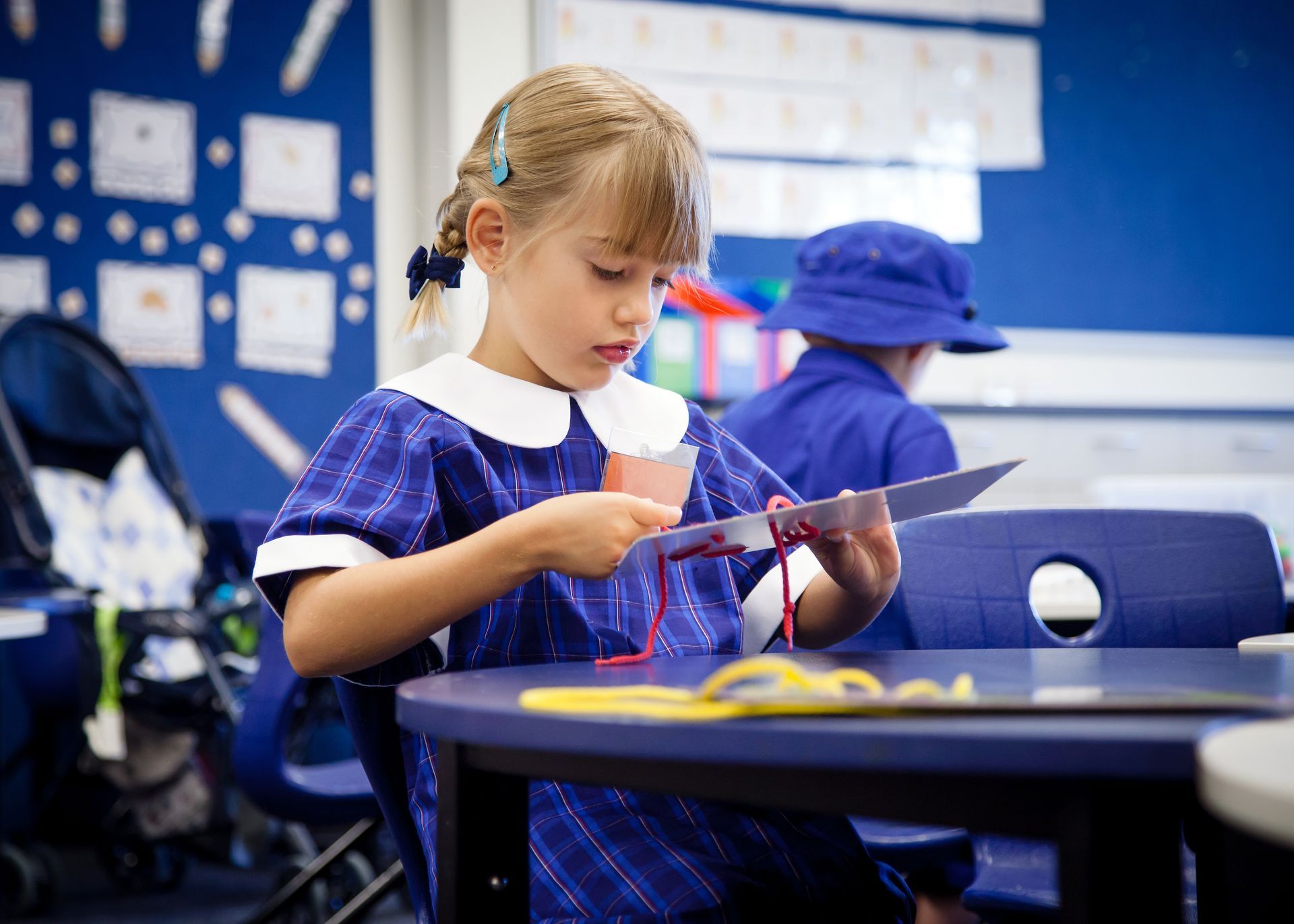
Autism in the Classroom: Creating a Safe Space to Thrive
The start of a new school year is often a whirlwind. From ordering stationery lists, uniform fittings, finding the best lunchbox snacks, to the calendar chaos created by full schedules. For many families, it’s exciting and exhausting all at once. But for children with autism, this time can bring unique challenges that deserve extra care, understanding, and preparation.
Gentle Transitions Matter
Transitions can be tough. But with the right support, they don’t have to be overwhelming. Preparing autistic children for the shift back to school, whether through visual aids, calm conversations, or building familiar routines, can ease anxiety and help them begin the year feeling safe and confident. For ideas on how to promote a smooth transition, visit our transition guide on our website.
Rethinking the Classroom
One of the most powerful things a teacher can do is to see autistic students for who they are, not who the system expects them to be. A phrase I often use is “take the neurotypical expectations off of them”. Traditional classroom norms like sitting still, making eye contact, and copying from the board don’t always align with how autistic minds work.
Many autistic children focus better when they’re allowed to move, fidget, doodle, or look away. These aren’t signs of distraction, they’re signs of engagement. Their brains take in more sensory information than their neurotypical peers but processing it can take longer. That’s why we distract ourselves with doodling, movement and stimming. Giving us extra time, clear instructions, and flexibility aren’t just helpful, they’re essential.
In subjects like maths, autistic students might arrive at the correct answer through a different path, or finish faster than expected leading them to engage in unfocused, distractive behaviour. Forcing them to follow a rigid method can slow them down and cause confusion. Let’s celebrate their creativity, not penalise it.
When School Feels Unsafe
Sadly, many autistic students experience school as a place of trauma and stress rather than safety. The pressure to perform, the sensory overload, the subtle (and not-so-subtle) social cruelties- they all add up. Social cruelties that go unnoticed by neurotypicals, or worse dismissed as irrelevant or gaslit as non-existent. And when these children reach their limit and break, their response is often misunderstood.
What looks like defiance may actually be a survival response. Fight, flight, or freeze isn’t a tantrum, it’s a cry for help. Yet too often, these children are punished instead of supported. Suspensions, detentions, and exclusions only deepen the wound.
I will say it before, and I will say it again: we’re not giving you a hard time, we’re having a hard time.
Creating a Nurturing Environment
Small changes can make a big difference. If we set up classrooms and experiences to be flexible, we may actually see better results from kids, all kids, and the typical accommodations afforded to autistics, could actually be considered the norm – how include, huh? Here are some ideas:
- Flexible seating – let kids sit where they feel safe, on seating that is comfortable and meets their needs.
- Less copying from the board
- Access to sensory tools – fidget toys, movement cushions, bands around chair legs. They all help!
- Brain breaks and calming corners
- Noise-cancelling headphones
- Gentle music
- Body doubling (working alongside a peer or adult)
These aren’t luxuries, they’re lifelines.
Understanding Refusal
If your child is refusing to go to school or pretending to be sick, pause before insisting. Ask them why. Listen with compassion. They may be trying to avoid an environment that feels unsafe, overwhelming or traumatic. We often experience trauma in ways that neurotypical people do not. Your empathy can be the bridge to understanding. Work with the school, therapists and other important people in their life. And it’s OK to explore other schooling options’, like homeschooling – schools are not a one size fits all.
Partnering with Teachers
Open communication is key. Meet regularly with your child’s teacher, share insights from therapists, and consider creating a one-page profile that highlights your child’s strengths, needs, and preferred supports. This simple tool can help every adult in their school environment respond with care.
Bullying and the Pain of Masking
Autistic children are more vulnerable to bullying, often because they mask, imitating others without fully understanding social cues. This can make them seem “different,” and sadly, that difference is sometimes met with exclusion.
These children long for connection. They care deeply. But when they’re constantly “othered,” it chips away at their self-worth. Emotional development may not match chronological age, so they need comfort that meets them at their developmental/emotional age.
Communicate with your Child
Believe your child when they come to you with a concern, especially if they struggle to express it. We often tell children, “Come to me when you have a problem.” When they do, that’s exactly what they’re trying to do. Shutting them down or dismissing their feelings can discourage them from speaking up again in the future.
They’re not making it up, even if there’s little or no evidence to support their claim. Often, children notice small details but lack the vocabulary to explain them clearly, especially if they feel bullied or disrespected. It might be something subtle, something real, but something they can’t prove. If they’re met with disbelief or dismissal, they may think, “What’s the point in telling anyone?”
Affirmation and Acceptance
Help your child embrace who they are. Use affirmations. Read empowering books. Teach them that they don’t need to please others to be accepted. Masking may help them fit in, but it can also lead to burnout and unhealthy relationships.
When I reflect on my own diagnosis, I felt seen and understood. I was diagnosed with autism at 25 and my first thought was, ‘Thank God, now I know what is wrong with me – absolutely nothing. I am the way God meant me to be’. Keep building your children up to accept and embrace the uniqueness they bring.
That kind of self-acceptance is a gift. Let’s pass it on to our children. They are enough. They are worthy. They are perfect just as they are.
News & Insights
Check Our Latest Resources