

Assistive Technology That Improves Everyday Life
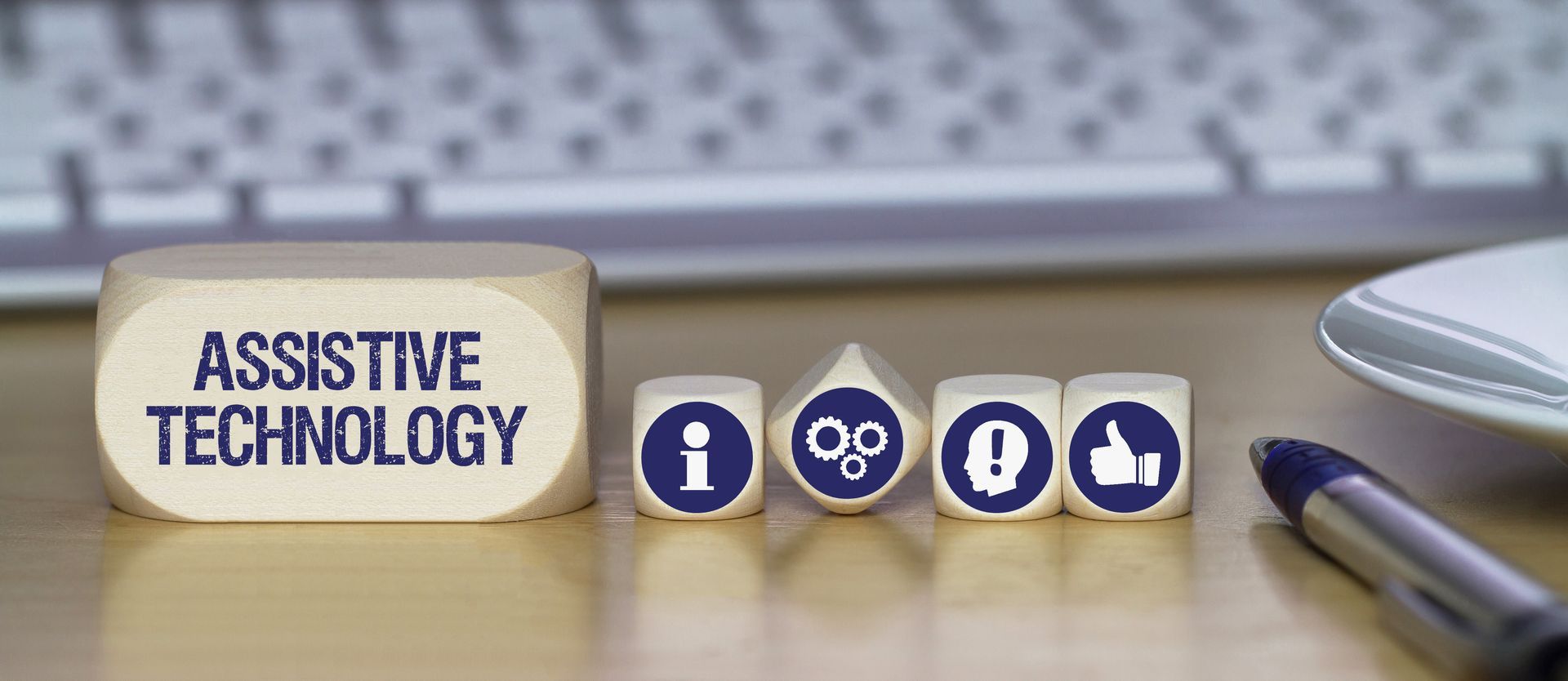
When people hear the term assistive technology, they often imagine expensive equipment, complex devices, or the latest high-tech innovations.
While those types of supports certainly exist, assistive technology is often much simpler than people realise.
Sometimes it's a phone reminder that helps someone remember an appointment. Sometimes it's a visual timer that makes daily routines feel more manageable. Sometimes it's a communication app that gives a person a way to express themselves more confidently. Often, it's the small things that end up making the biggest difference.
At its heart, assistive technology is about helping people do more of the things that matter to them. It can support independence, increase confidence, reduce frustration, and create opportunities that may not have been possible before.
For many people living with disability, everyday tasks can require significantly more mental energy and planning than others realise. Remembering appointments, managing medications, organising a shopping trip, finding the right words in a conversation, or navigating unfamiliar places can all present challenges. The right piece of technology can ease some of that load and make daily life feel a little more achievable.
What's particularly exciting is that many of the tools people use every day can also become powerful supports. Smartphones have become portable organisers, communication devices, navigation systems, and memory aids all in one. A simple calendar alert can increase independence. A checklist app can help someone complete a complex task step by step. GPS navigation can provide the confidence needed to travel to new places. These supports may seem ordinary to some, but for the person using them, they can be transformational.
Assistive technology can also open doors to greater connection. Communication is central to our relationships, our choices, and our ability to participate in the world around us. For people who experience communication difficulties, technology can provide alternative ways to express thoughts, preferences, needs, and ideas. Whether it's a communication app, a speech-generating device, or voice-to-text software, these tools can help ensure a person's voice is heard.
Technology is increasingly helping people create environments that work better for them too. Smart home devices, voice-controlled assistants, automated lighting, and digital reminders can provide greater control over everyday routines. Something as simple as being able to turn lights on with a voice command or receive a reminder to take medication can promote both independence and confidence.
For others, the most valuable supports are those that help manage stress, sensory needs, or emotional wellbeing. Noise-cancelling headphones, sensory tools, visual schedules, and mindfulness apps can help people feel more comfortable and prepared to participate in daily activities. These supports aren't about changing who a person is. They're about creating environments where people can feel safe, regulated, and able to engage in the things they enjoy.
Perhaps the most important thing to remember is that assistive technology isn't really about technology at all. It's about people.
The success of any support is measured by what it allows someone to do. It might mean attending a community event independently, maintaining a job, reconnecting with friends, managing a household routine, or simply feeling more confident in daily life. The device itself is only a tool. The real outcome is the increased choice, participation, and freedom that comes with it.
As technology continues to evolve, so too do the opportunities for people living with disability. Yet some of the most meaningful changes don't come from the most advanced innovations. They come from finding the right support, at the right time, that helps a person take one more step towards the life they want to live.
Sometimes, a little bit of technology can create a whole lot of possibility.
News & Insights
Check Our Latest Resources