
Building Capacity, Not Dependence
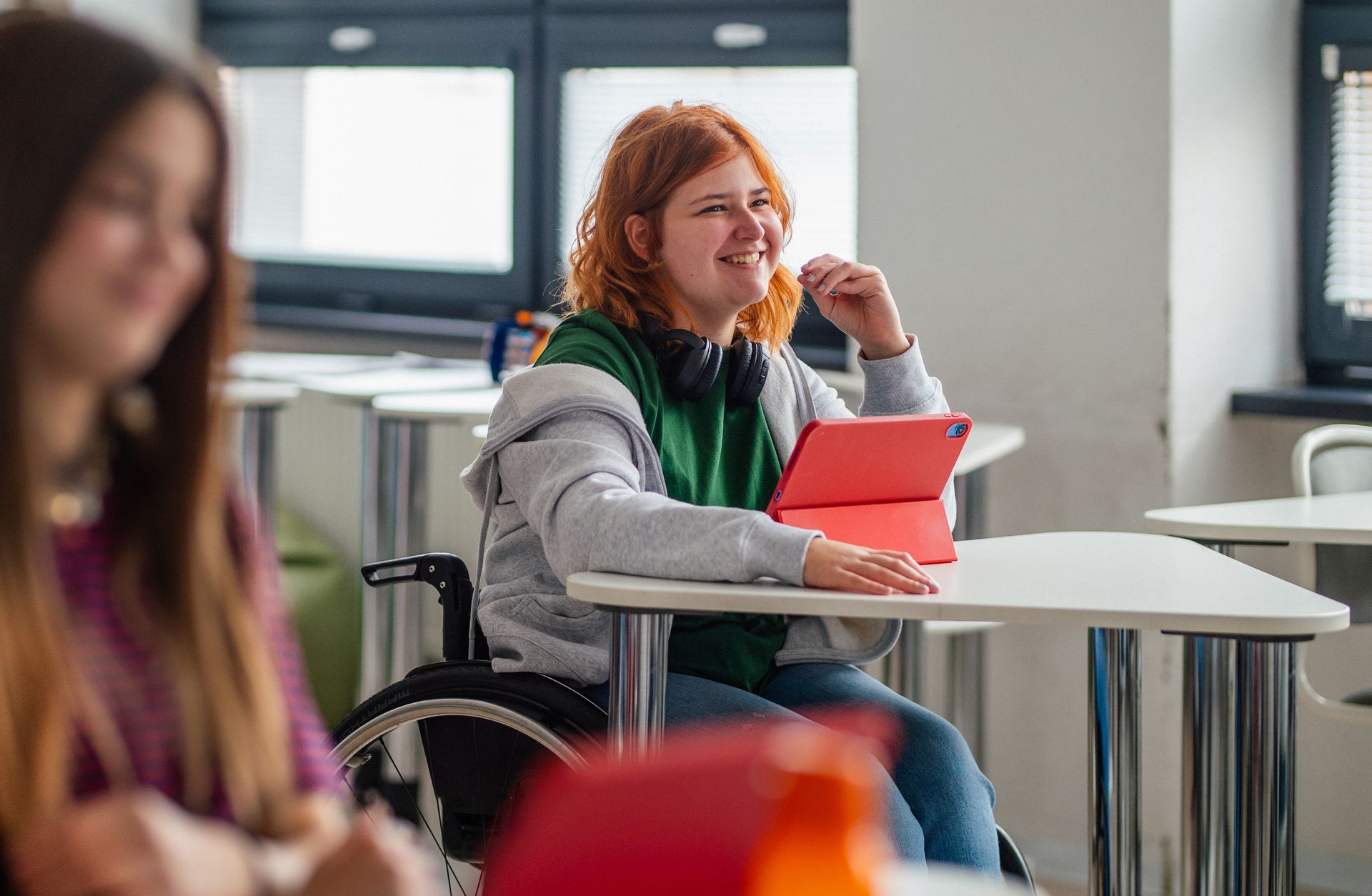
One of the most common goals people express when accessing disability supports is simple: they want to be more independent.
Independence looks different for everyone. For some, it might mean learning to catch public transport confidently. For others, it could be managing a daily routine, communicating their needs more effectively, or feeling comfortable participating in their community. Whatever the goal, the most effective supports are those that help people build skills, confidence, and choice over time.
What Does Capacity Building Mean?
Capacity building is about creating opportunities for people to learn, develop, and strengthen skills that are important to them.
Rather than focusing solely on what support can be provided today, capacity building focuses on what a person may be able to do tomorrow with the right guidance, encouragement, and opportunities.
This doesn't mean removing support. It means using support intentionally to help people develop greater confidence, self-determination, and participation in the areas of life that matter most to them.
Progress Often Starts Small
It's easy to think of independence as a destination, but in reality, it is usually built through many small steps.
A person may begin by:
- Following a visual schedule independently
- Ordering their own meal at a café
- Managing part of their personal care routine
- Attending a community activity with support
- Using strategies to regulate emotions during stressful situations
While these achievements may seem small to others, they can represent significant milestones in a person's journey.
Building Everyday Skills
Daily living skills form the foundation of independence and participation.
Supports may focus on helping people develop skills such as:
- Meal planning and preparation
- Household tasks
- Budgeting and shopping
- Time management
- Using technology and reminders
- Managing appointments and routines
The goal is not perfection. It is about building confidence and creating opportunities for greater choice and control in everyday life.
Strengthening Communication
Communication is much more than speaking. It is how we express preferences, build relationships, make decisions, and advocate for ourselves.
For many people, developing communication skills can open doors to greater independence.
Support strategies may include:
- Practising social interactions
- Learning self-advocacy skills
- Using visual supports or communication devices
- Building confidence in unfamiliar situations
When people can effectively communicate their needs and goals, they are better positioned to direct their own supports and make informed decisions about their lives.
Supporting Emotional Wellbeing
Life comes with challenges, changes, and unexpected situations. Developing strategies to manage emotions and navigate difficult moments can have a significant impact on independence and quality of life.
This might involve:
- Recognising early signs of stress
- Developing coping strategies
- Practising problem-solving skills
- Building resilience through positive experiences
- Learning techniques to manage anxiety or frustration
Emotional wellbeing plays an important role in helping people participate in relationships, education, employment, and community life.
Encouraging Community Participation
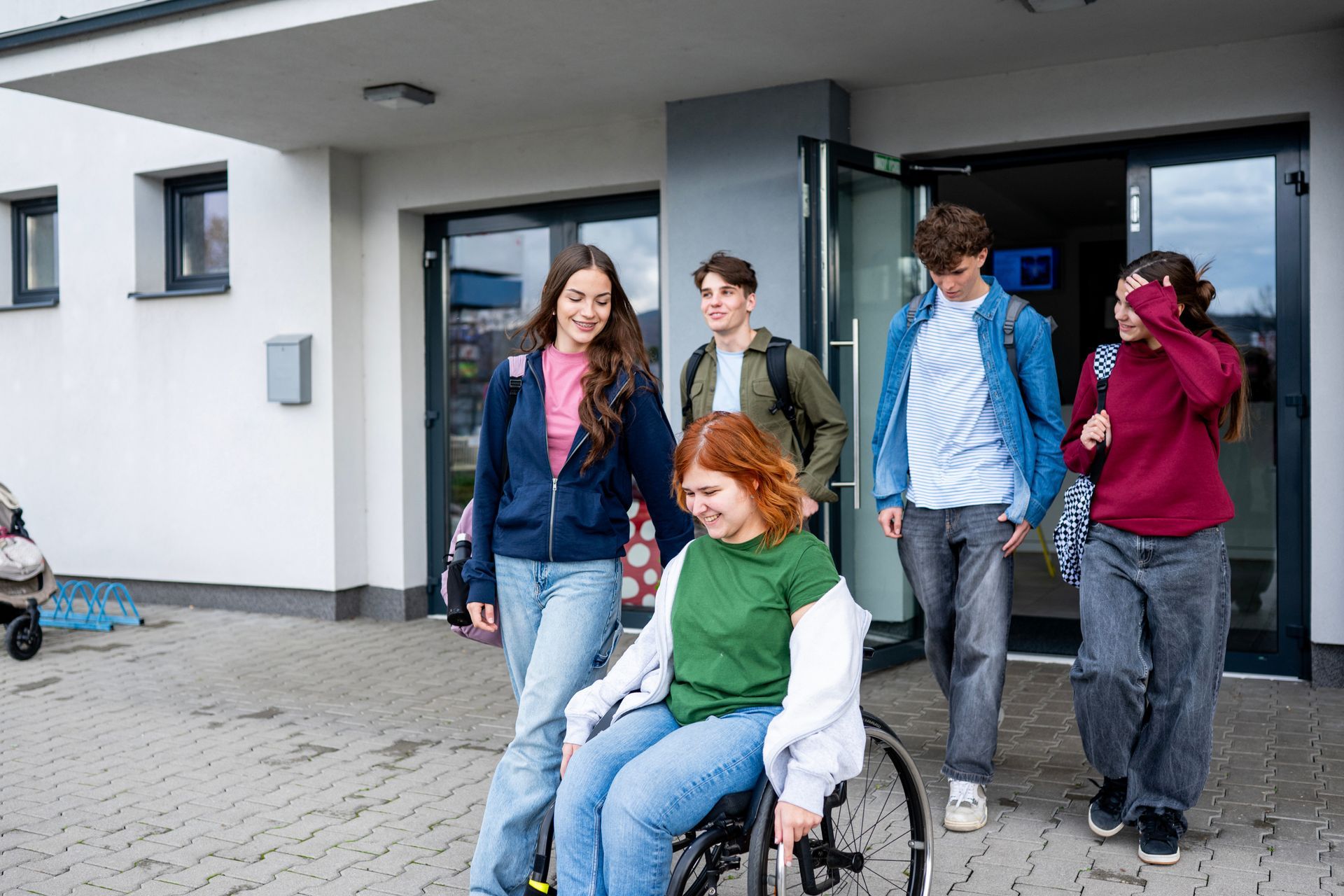
Meaningful participation in the community helps people build confidence, develop connections, and pursue interests that are important to them.
This could involve:
- Joining a local club or community group
- Learning to use public transport
- Volunteering
- Attending social events
- Exploring recreational activities
Community participation is not simply about being present. It is about belonging, contributing, and feeling connected.
Looking Beyond the Support Hours
The true success of support is not measured by how much support a person receives. It is measured by the opportunities, confidence, and independence they gain along the way.
When families, support workers, support coordinators, therapists, and behaviour support practitioners work together to build skills and foster independence, the impact can be life-changing.
Because at the heart of quality disability support is a simple belief: every person deserves the opportunity to learn, grow, make choices, and live a life that is meaningful to them.
News & Insights
Check Our Latest Resources