
Disability Awareness Hub: Understanding Brain Injury
August 23, 2026

When we hear the term brain injury, it's easy to think of the physical impacts first. However, for many people living with a brain injury, the challenges are often far less visible. Changes to memory, emotions, fatigue, communication, concentration, and everyday routines can affect a person's life long after the initial injury has occurred.

Brain Injury Awareness Month is an important opportunity to increase understanding, challenge misconceptions, and recognise the resilience of the many Australians living with a brain injury every day.

What Is a Brain Injury?

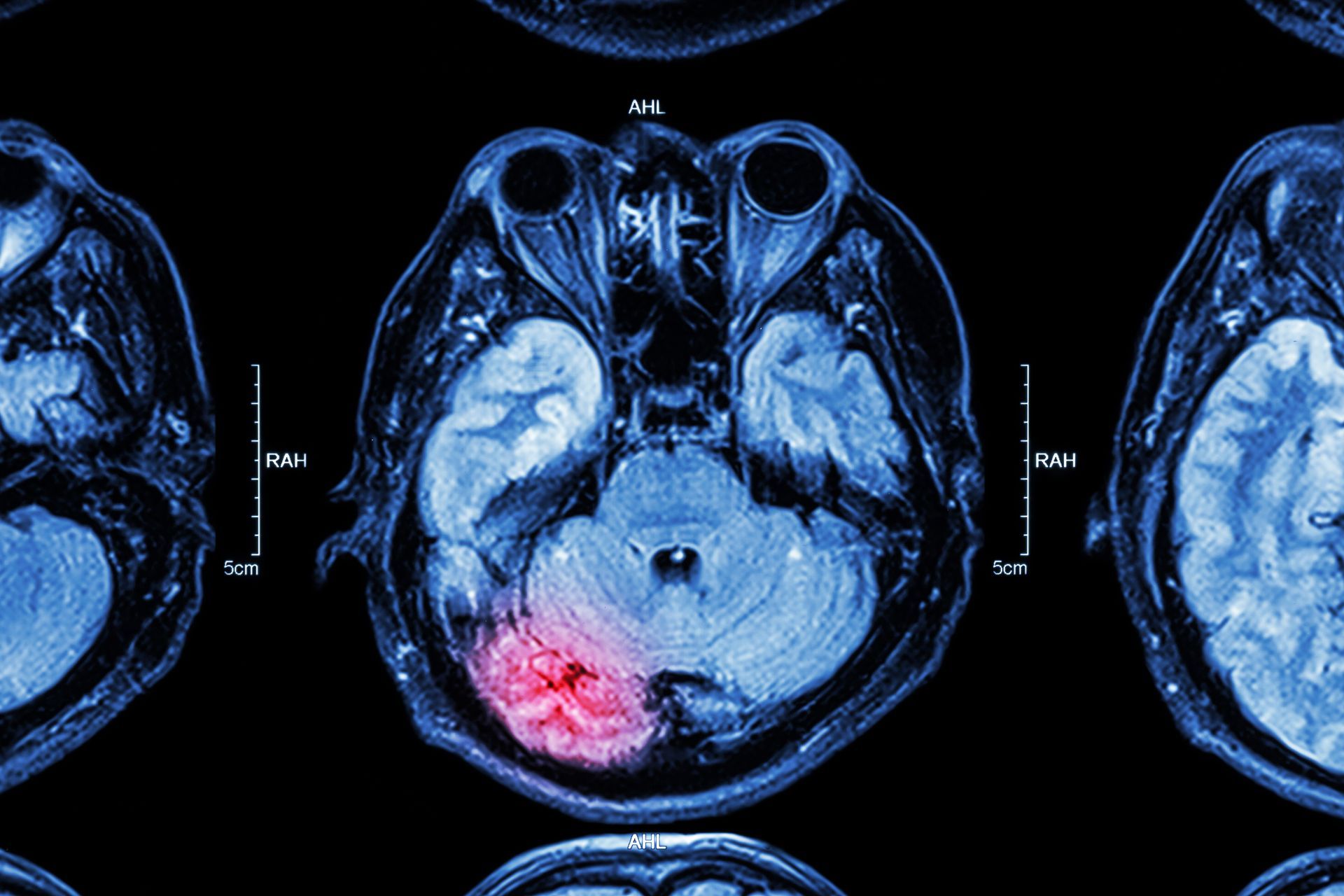
A brain injury occurs when damage to the brain affects how a person thinks, feels, behaves, or functions in daily life. Some injuries are caused by external events such as falls, motor vehicle accidents, sporting injuries, or assaults. Others may result from medical conditions such as stroke, infection, lack of oxygen, brain tumours, or substance-related injuries.

No two brain injuries are the same. The effects depend on the area of the brain affected, the severity of the injury, the person's supports, and their individual strengths and circumstances.

For some people, the impacts may be relatively mild and short-lived. For others, they can be lifelong and require ongoing support.

The Invisible Challenges

One of the most misunderstood aspects of brain injury is that many impacts cannot be seen.

A person may walk, talk, and appear physically well, yet experience significant difficulties with:

  • Memory and recall
  • Planning and organisation
  • Attention and concentration
  • Managing emotions
  • Processing information
  • Problem-solving
  • Managing fatigue
  • Social communication

These challenges can affect a person's confidence, relationships, employment, education, and participation in the community.

Because the impacts are often invisible, people living with brain injury can sometimes face unrealistic expectations or misunderstandings from those around them.

What Does Recovery Look Like?

Recovery from a brain injury is rarely a straight line.

For many people, recovery is less about returning to exactly how life was before and more about learning new ways to achieve meaningful goals. Progress may happen over months or years, and every person's journey is unique.

Recovery can include:

  • Relearning daily skills
  • Developing new strategies to manage challenges
  • Building confidence in social situations
  • Returning to study, work, or volunteering
  • Increasing independence at home and in the community
  • Strengthening relationships and support networks

Importantly, recovery is not defined solely by clinical outcomes. It is also about quality of life, choice, participation, and finding ways to live a fulfilling life.

A person who independently catches public transport, reconnects with friends, manages their weekly routine, or advocates for their own needs may be achieving incredible milestones that deserve recognition.

The Importance of Support

The right support can make a significant difference in helping a person navigate life after a brain injury.

Support may come from many different sources, including:

  • Family members and carers
  • Support workers
  • Occupational therapists
  • Speech pathologists
  • Psychologists
  • Physiotherapists
  • Behaviour support practitioners
  • Support coordinators
  • Peer support groups and community networks

Effective support focuses on a person's strengths, goals, interests, and aspirations rather than solely on their challenges.

Common Strategies That Can Help

While every individual is different, a range of practical strategies are commonly used to support people living with brain injury.

External memory supports

  • Phone reminders
  • Visual schedules
  • Diaries and calendars
  • Checklists and task planners

Structured routines

  • Maintaining consistent daily schedules
  • Breaking tasks into smaller, manageable steps
  • Planning activities ahead of time

Fatigue management

  • Building rest breaks into the day
  • Prioritising important tasks
  • Using energy conservation strategies

Communication supports

  • Providing information clearly and simply
  • Allowing extra processing time
  • Using visual supports where appropriate

Emotional regulation strategies

  • Mindfulness and relaxation techniques
  • Identifying triggers and early warning signs
  • Developing personalised coping strategies

These approaches are often most effective when tailored to the individual's needs, preferences, and goals.

Looking Beyond the Diagnosis

People living with brain injury are often navigating challenges that others cannot see. Yet they are also raising families, building relationships, pursuing careers, volunteering, participating in their communities, and achieving personal goals every day.

Brain Injury Awareness Month reminds us that disability is only one part of a person's story.

By increasing awareness, promoting understanding, and focusing on strengths, we can help create communities where people living with brain injury feel valued, included, and supported to live the lives they choose.

Because behind every diagnosis is a person with their own experiences, abilities, aspirations, and potential. Sometimes the most powerful support we can offer begins with understanding.


Get in touch

News & Insights

Check Our Latest Resources
October 26, 2026
This Occupational Therapy Awareness Month, we're proud to celebrate the dedicated Occupational Therapists who support participants across helpz. Occupational Therapists play a vital role in helping people build independence, develop meaningful skills, overcome barriers, and participate in the activities that matter most to them. Their work extends far beyond assessments and recommendations, empowering individuals to achieve their goals and live fulfilling lives. At helpz, our Occupational Therapy team brings together a wealth of experience across mental health, physical disability, paediatrics, assistive technology, home modifications, early intervention, and capacity building. This month, we're shining a spotlight on some of the incredible clinicians who make up our growing team. Tran Vu | Senior Occupational Therapist & Practice Lead As helpz's Occupational Therapy Practice Lead, Tran Vu provides clinical leadership and support to our growing OT team while continuing to work directly with participants across a range of settings. Many participants and families may first hear from Tran during the onboarding process, where she helps ensure they are connected with the right supports to meet their individual needs. In addition to being an experienced Occupational Therapist , Tran is also a registered Behaviour Support Practitioner , providing her with a unique understanding of the interaction between environment, behaviour, participation, and quality of life. Having worked within the disability sector for more than nine years, Tran says she feels privileged every day to support participants to achieve meaningful engagement and participation in everyday life. She is passionate about the breadth of Occupational Therapy and the positive impact it can have across all stages of life. Tran supports participants in areas including: Assistive technology assessments and recommendations Home modifications Daily living skills development Sensory processing supports Capacity building and independence Functional assessments Behaviour support-informed occupational therapy interventions Her holistic and collaborative approach helps participants build the skills, confidence, and supports needed to achieve their goals and live meaningful lives. Fatima | Senior Occupational Therapist With over 13 years of experience providing assessment, intervention, and rehabilitation services across inpatient and community public health settings, Fatima brings extensive expertise in supporting adults experiencing mental health challenges. Throughout her career, she has worked alongside people at various stages of their recovery journey, from acute care through to recovery and remission. Fatima is passionate about helping individuals develop the skills, confidence, and strategies needed to enhance their independence, wellbeing, and quality of life. Her person-centred and evidence-based approach enables her to work collaboratively with participants, families, and multidisciplinary teams to achieve meaningful outcomes. Fatima's strong mental health background allows her to take a holistic view of each participant, considering their goals, strengths, and environment when developing supports. Outside of work, Fatima enjoys spending time with her family and exploring her passion for cooking. Kylee Mischefski | Senior Occupational Therapist Based in Brisbane and the Gold Coast, Kylee Mischefski brings extensive experience across Family and Community Services and the NDIS environment. Kylee has supported people with intellectual and physical disabilities, neurodivergent individuals, and children with developmental delays throughout her career. Her areas of expertise include: Active support and capacity building across the lifespan Early childhood intervention Functional Capacity Assessments Environmental assessments Assistive technology assessments and recommendations Complex equipment and seating prescriptions Manual handling assessments and training Minor home modifications Vehicle access modifications Kylee is passionate about finding practical solutions that enhance independence and improve everyday participation for the people she supports. Cassie Smith | Senior Occupational Therapist Cassie has extensive experience supporting adults with physical disabilities through both health and disability services. Her expertise includes assistive technology, complex equipment prescription, home and vehicle modifications, manual handling assessments, and Functional Capacity Assessments. Cassie is known for her practical and participant-focused approach, helping individuals access the supports, equipment, and environments they need to maximise independence and quality of life. Eleanor Hughes | Senior Occupational Therapist With more than a decade of experience across private practice, specialist schools, early intervention settings, and academia, Eleanor Hughes brings significant paediatric expertise to helpz. Eleanor is passionate about supporting children and families through evidence-based and family-centred approaches. Her experience spans developmental assessments, early intervention, neurodiversity-affirming practice, and capacity building for children and their support networks.
October 26, 2026
National Resources Worth Knowing About Navigating disability supports can sometimes feel overwhelming. Fortunately, there are several trusted national services available to help individuals, families, and carers access information, support, and advocacy. Disability Gateway The Disability Gateway is a free Australian Government service that helps people with disability, families, carers, and support workers find trusted information, services, and support. It provides guidance across a wide range of areas including housing, employment, transport, health, education, technology, legal rights, and everyday living. [disability...way.gov.au] , [health.gov.au] Website: www.disabilitygateway.gov.au Phone: 1800 643 787 Carer Gateway Carer Gateway provides free support and services for unpaid carers across Australia. Supports may include counselling, coaching, peer support, respite options, practical resources, and assistance navigating available services. [carergateway.gov.au] , [health.gov.au] Website: www.carergateway.gov.au Phone: 1800 422 737 Autism CRC Autism CRC is Australia's national autism research centre. Their website includes evidence-informed resources, practical guides, and information for Autistic people, families, educators, and professionals. It is a valuable resource for understanding neurodiversity and current Australian research. [aspect.org.au] Website: www.autismcrc.com.au  Occupational Therapy Australia Occupational Therapy Australia provides information about Occupational Therapy, professional resources, and educational material that helps people better understand the role OTs play in supporting participation, independence, and wellbeing. [otaus.com.au] , [otaus.com.au] Website: www.otaus.com.au
October 26, 2026
When most people think of allied health services, they picture sitting in a clinic room across from a therapist. Yet for many Australians, supports are increasingly being delivered through a screen, from the comfort of home. Telehealth has rapidly evolved from a temporary solution into a flexible and effective way for people to access Occupational Therapy, Behaviour Support, Psychology, Speech Pathology, and other allied health services. Research continues to demonstrate that telehealth can achieve outcomes comparable to in-person services for many assessment, coaching, consultation, and capacity-building interventions when delivered appropriately. [frontiersin.org] , [health.gov.au] But what does telehealth actually look like? It's More Personal Than People Expect One of the most common concerns people have before their first telehealth appointment is that it will feel impersonal. Interestingly, many participants report the opposite. Being at home often means people feel more relaxed and comfortable in their own environment. Therapists can also gain valuable insight into everyday routines, home setups, and real-world challenges that may not be visible in a clinic setting. Rather than removing connection, telehealth can sometimes strengthen it by allowing conversations and problem-solving to happen in the spaces where daily life actually occurs. What Happens During a Telehealth Appointment? While every service is different, a telehealth session generally looks much like an in-person appointment. Your clinician may: Discuss goals, challenges, and progress Observe activities within your home environment Provide coaching or skill-building strategies Review equipment or environmental setup Collaborate with family members, carers, or support teams Develop plans and recommendations together All you typically need is: A device with a camera and microphone A stable internet connection A quiet and comfortable space Who Can Benefit? Telehealth may be particularly beneficial for: People living in regional or remote areas Participants with mobility challenges Busy families juggling multiple appointments Individuals who feel more comfortable in familiar environments Support teams requiring collaborative meetings across locations Importantly, telehealth isn't an "all or nothing" approach. Many participants choose a combination of face-to-face and virtual appointments depending on their goals and circumstances. Getting the Most Out of Telehealth A few simple steps can help make sessions more effective: Have any questions written down beforehand. Test your technology before the appointment. Keep relevant equipment or paperwork nearby. Consider who may be helpful to attend the session. Be open with your clinician about what's working and what isn't. The most successful telehealth appointments are collaborative, practical, and tailored to the participant's needs. It's About Access, Not Distance At its heart, telehealth isn't simply about replacing face-to-face services. It's about increasing access, flexibility, and choice. Whether supporting someone in a metropolitan centre, regional town, or rural community, telehealth creates opportunities for people to receive high-quality support where they are, reducing barriers and helping them stay connected to the services that matter most.  At helpz, we have seen firsthand how telehealth can support meaningful outcomes, build strong therapeutic relationships, and help participants work towards their goals, wherever they call home.