
New helpz Webinar: Love, Rights, and Relationships: Supporting People with Disability to Thrive
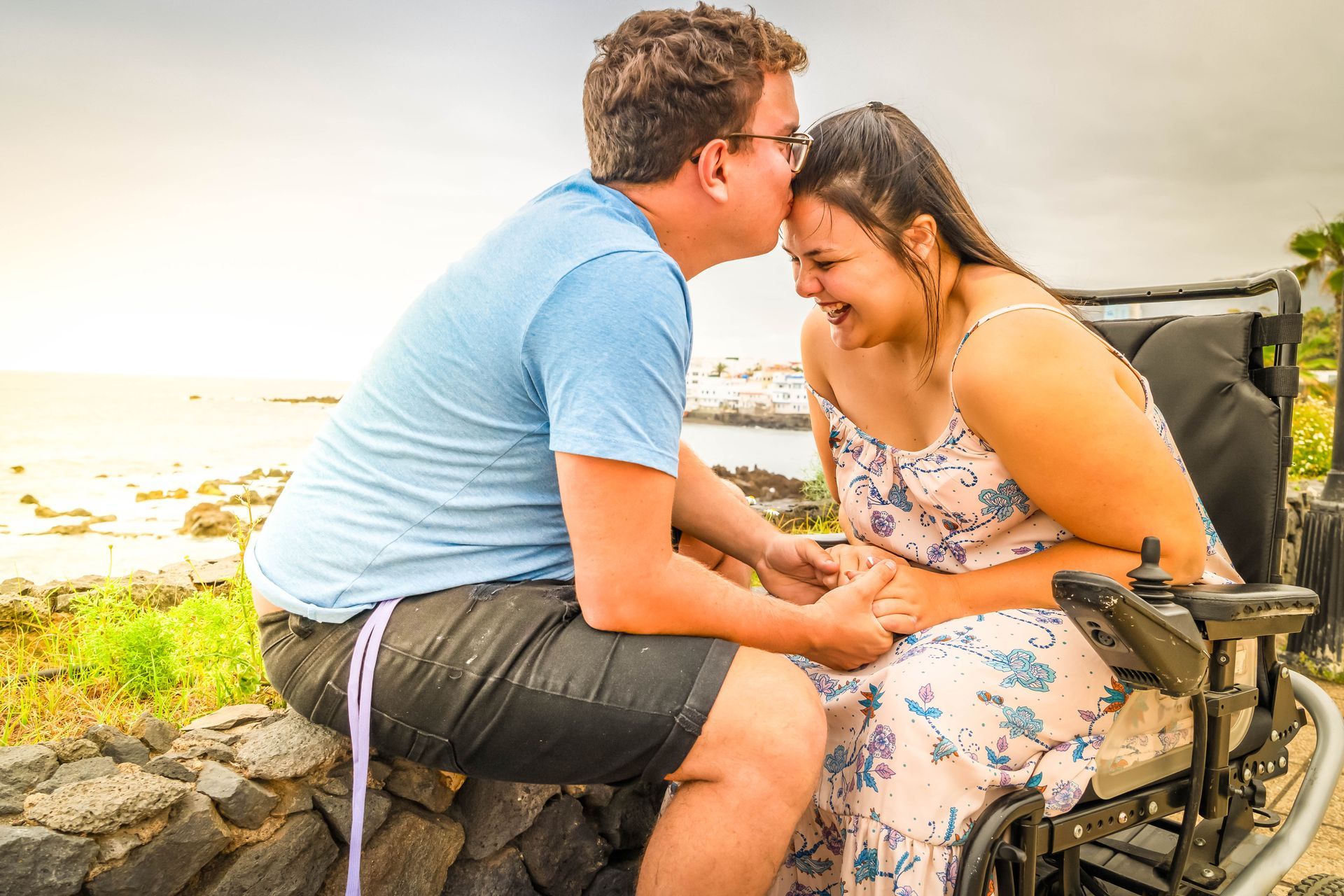
Over the weekend, many people celebrated Valentine’s Day, a time that highlights love, connection and belonging. While the flowers and cards may fade, the deeper message remains: relationships and intimacy are central parts of being human.
For people with disability, however, these areas of life are often surrounded by misunderstanding, stigma and unnecessary restriction.
The truth is simple: people with disability have the same human rights to sexuality, relationships, safety and self‑determination as anyone else. This includes the right to have relationships, express affection, explore identity, seek connection, and make informed choices.
Yet in practice, many people with disability continue to face barriers. From limited access to education, to overprotection, to environments where their needs are misunderstood or overlooked. As professionals in the field, we play a crucial role in ensuring people with disability are supported with dignity, respect and clear information.
That’s why this month, in the spirit of Valentine’s Day, we’re excited to highlight our online training Relationships & Sexuality for Adults with a Disability. A practice‑focused session designed to equip carers and professionals with the knowledge and confidence to support individuals safely, ethically and respectfully.
What the Webinar Covers
1. The Rights of People with Disability: Understanding rights is the first step in upholding them.
2. Assessment of Sexual Knowledge:
Many people with disability simply haven’t been given clear, accessible education.
We discuss respectful ways to explore what a person knows, identify gaps, and plan education that builds independence and safety.
3. Identifying Relationship Types and Boundaries: From friendships to romantic relationships to professional boundaries, people need simple, concrete ways to understand different types of relationships. Our webinar shares tools and visuals that support this learning.
4. Traits of a Healthy Relationship:
Kindness, respect, choice, trust and safety. We break down these ideas that help people recognise what healthy relationships look and feel like.
5. Teaching Consent and Pro‑Social Behaviours:
Consent is more than “yes” or “no.”
We cover:
- how to teach consent step‑by‑step
- how to model respectful interactions
- how to support people to communicate their own boundaries
- how to recognise the boundaries of others
6. Supporting the Need for Privacy:
Privacy is a right , not a privilege. We discuss strategies to teach privacy in ways that keep people safe, empowered and respected.
7. Internet Dating Safety:
Online platforms can provide connection, inclusion and opportunity, but also risks.
We provide practical strategies for:
- teaching online safety
- recognising red flags
- supporting safe communication
- navigating photos, profiles and personal information
8. Exploring Personal Needs Through Accessing Sex Workers: A sensitive but important topic. We approach this area with professionalism; this discussion helps workers feel confident navigating a topic that often arises but is rarely talked about openly or respectfully.
Why This Matters
For people with disability, opportunities for connection are often controlled by others. Overprotection, even when well‑intentioned, can unintentionally limit autonomy, confidence and emotional wellbeing.
By improving support around sexuality and relationships, we help people:
- build self‑advocacy
- form safe, meaningful relationships
- understand consent
- reduce vulnerability to abuse
- improve mental and emotional wellbeing
- experience the joy and connection they deserve
Valentine’s Day is a reminder that love, belonging and intimacy are not luxuries, they are part of human life.
Our role is to ensure people with disability are empowered to navigate these areas safely and confidently.
Join Us for the Webinar
Whether you’re new to the topic or looking to deepen your practice, this webinar will leave you with practical tools, deeper understanding and greater confidence to support people with disability in one of the most important areas of life: relationships, identity and human connection.
Let’s work together to ensure every person, regardless of disability, has the opportunity to experience safe, fulfilling relationships rooted in respect and autonomy.
News & Insights
Check Our Latest Resources