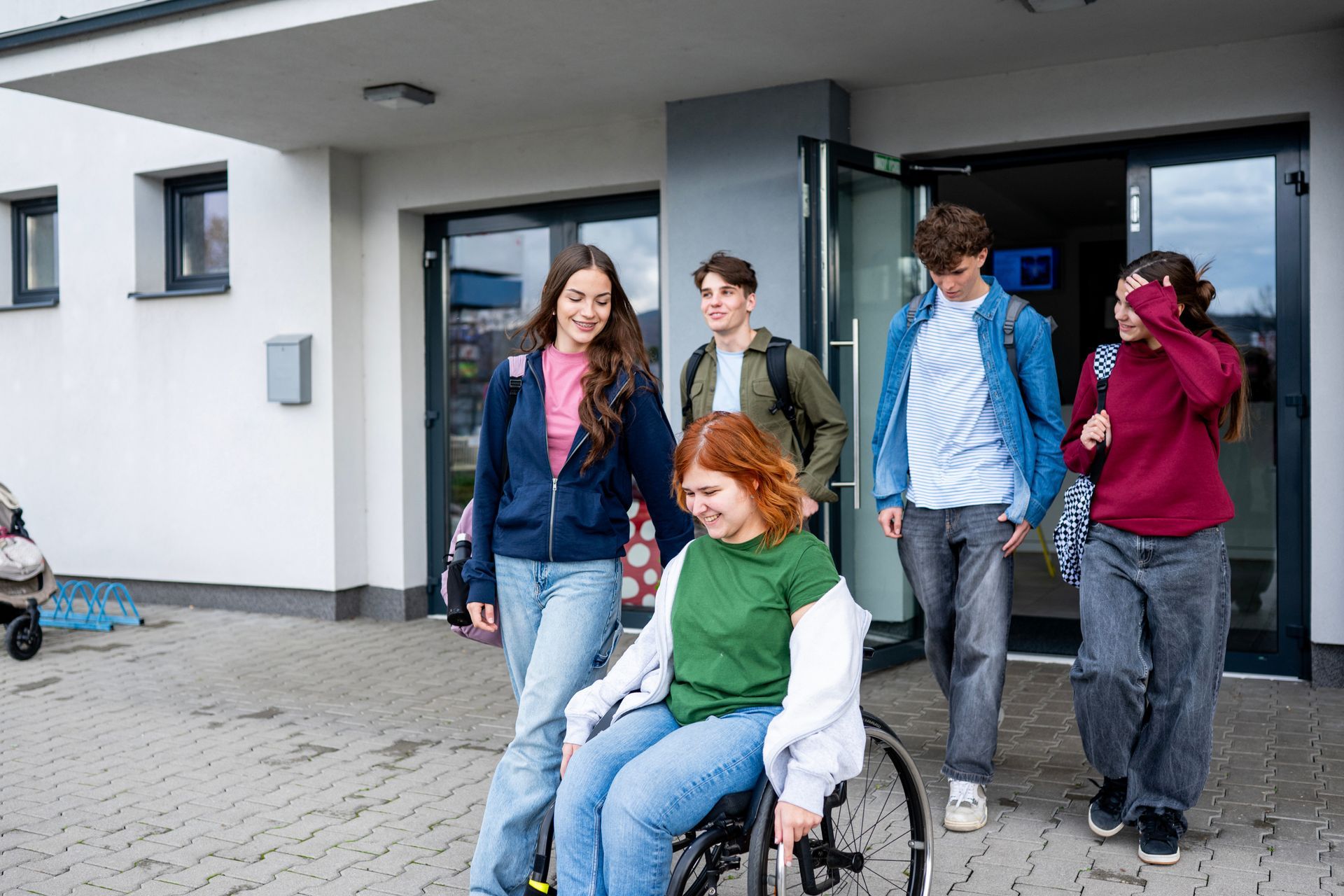

Supporting Emotional Expression in Boys and Men

June 12, 2026

Looking Beyond Behaviour 

In behaviour support, emotional expression is often discussed, but expressing emotions is rarely straightforward in practice. 


Many boys struggle to explain what they are feeling, particularly when emotions are tied to physical changes, social pressure, or confusion about expectations. Instead of naming emotions, they may withdraw, refuse, become irritable, or act out. This is not because they are unwilling to communicate, but because they do not yet have the tools to do so clearly. 


For boys with disability, this gap can widen quickly during late childhood. 


Why behaviour increases during puberty 


Puberty brings rapid physical changes, shifting peer relationships, and increased expectations. For boys who already find change hard, this can feel like too much happening at once. 


What we often see is: 

  • increased frustration with small demands 
  • social withdrawal or conflict with peers 
  • heightened sensitivity to noise, touch, or routines 
  • refusal to participate in activities that were previously manageable 


These behaviours are often signs that a child is struggling to make sense of what they are experiencing. 


Turning learning into something practical 


Supporting emotional expression works best when it is concrete and active. 


At helpz, we focus on teaching emotional skills in ways that feel relevant and age appropriate. This means: 

  • using games and activities rather than long conversations 
  • linking emotions to real life situations 
  • practising how to ask for help or take space 
  • normalising emotions instead of correcting them 


This approach helps boys build confidence in recognising and expressing what they feel, without pressure to “get it right”. 


Puberty and Friendships for Boys Program 


Our Puberty and Friendships for Boys group is designed for boys aged 8 to 12 years and focuses on building emotional and social understanding in a supportive, age-appropriate way. 


Through interactive workshops, worksheets, and games, the program supports boys to: 

  • Understand changes in their bodies 
  • Develop emotional awareness and regulation skills 
  • Build problem solving and independent living skills 
  • Strengthen communication within friendships and the wider community 


Parents are encouraged to be involved, recognising the important role families play in reinforcing learning at home. 


When boys are supported early to understand emotions, behaviour becomes less about coping and more about communication. 

This is not about stopping behaviour. It is about giving boys the skills they need to feel understood, confident, and supported as they grow. 


News & Insights

Check Our Latest Resources

June 12, 2026
Understanding the challenges, strengths, and support needs of people living with PWS Prader–Willi Syndrome (PWS) is a rare, complex genetic condition that affects many areas of a person’s life, including physical health, development, behaviour, and emotional wellbeing. While it’s often associated with eating and weight, PWS is much more than this, and understanding the whole picture is key to supporting individuals and their families well. PWS occurs when specific genes on chromosome 15 do not function as they should. This happens very early in development and is usually completely out of anyone’s control. It is not caused by anything a parent did or didn’t do, and in most cases it is not inherited. Although PWS is considered rare, families living with it are navigating its impacts every day. The condition is lifelong, and support needs often change as the person grows. Early signs and development Many children with PWS are identified in infancy. Babies often have very low muscle tone, which can make them appear “floppy.” Feeding can be difficult at first, with poor sucking and slow weight gain. Some babies may need extra feeding support during this stage. As children grow, the presentation of PWS changes. Muscle tone usually improves, but new challenges emerge. One of the most well‑known features of PWS is hyperphagia , a persistent and overwhelming sense of hunger that develops in early childhood. People with PWS do not experience fullness in the same way others do, which means food can become a constant focus without careful management. Alongside this, children may experience developmental delays, learning differences, short stature, and delayed puberty. Behavioural and emotional regulation can also be challenging, particularly during times of change, stress, or unmet expectations. Behavioural and emotional considerations People with PWS often thrive on routine, predictability, and clear boundaries. When these supports are in place, many individuals do very well. When they aren’t, anxiety, distress, or challenging behaviours can increase. Some common behavioural features include: Strong need for routine and consistency Difficulty coping with change or uncertainty Emotional outbursts linked to anxiety or frustration Repetitive or compulsive behaviours, such as skin picking These behaviours are not about “choice” or poor parenting. They are closely linked to how the brain processes information, stress, and impulse control in PWS. Health considerations Because of differences in metabolism, muscle mass, and hunger regulation, people with PWS are at higher risk of obesity and related health conditions if food access is not carefully managed. This can include diabetes, sleep apnoea, and cardiovascular issues. Hormonal differences are also common and may affect growth, bone health, puberty, and energy levels. Many individuals benefit from ongoing medical monitoring and treatment, including growth hormone therapy, which can support muscle tone, strength, and overall health. Support across the lifespan There is no cure for Prader–Willi Syndrome, but early, consistent, and coordinated support makes a significant difference . Support often includes: Clear structure around meals and food access Allied health supports such as speech therapy, occupational therapy, and physiotherapy Behaviour support that focuses on predictability, emotional regulation, and skill‑building Medical care from paediatricians, endocrinologists, and other specialists Strong collaboration with families, schools, and support workers As individuals move into adolescence and adulthood, planning for independence, supported living, employment, and community participation becomes especially important. Families and the invisible work Families supporting someone with PWS often carry a significant, ongoing load. Managing food environments, advocating for understanding in schools and services, navigating systems like the NDIS , and planning for the future requires constant attention and emotional energy. This work is often invisible to others, but it is essential. Families are experts in their child, and their knowledge and insight should always be valued and respected. Prader–Willi Syndrome and the NDIS In Australia, PWS is recognised as a lifelong condition under the NDIS . Many individuals require ongoing supports related to daily living, behaviour support, therapies, and community participation. Because PWS is rare and sometimes misunderstood, families may find themselves needing to explain the condition and its risks repeatedly. Strong, informed advocacy and clear documentation are often key to securing appropriate and responsive supports. Why awareness matters Greater awareness of Prader–Willi Syndrome helps reduce stigma, improves understanding, and leads to better outcomes. When professionals, communities, and systems understand that PWS is a complex neurological and genetic condition — not simply an issue of eating — support becomes more compassionate, effective, and sustainable. With the right structure, understanding, and support, people with PWS can live meaningful, connected lives, and families can feel less alone in the journey.
June 12, 2026
One thing we see time and time again in behaviour support is that the most effective plans aren’t created in isolation, they’re built together. That’s really what co-design is about. It’s not just a buzzword. It’s making sure the people who know the participant best are actively involved in understanding what’s going on and shaping what we do next. This becomes especially important during formulation. So, what’s a formulation session? A formulation session is where we slow things down and try to make sense of behaviour as a team. Rather than jumping straight into “how do we stop this?”, we take a step back and ask: What might this behaviour be communicating? When does it tend to happen? What seems to make things better or worse? It’s not about getting a perfect answer on the day. It’s about building a shared understanding that we can keep refining over time. Why co-design actually matters in practice Everyone comes into a formulation session with a different perspective. Families and carers often bring the history and the day-to-day reality Support workers see what happens in the moment Support Coordinators are looking at the bigger system and consistency Practitioners bring a framework to help organise it all If we don’t bring those views together, we end up with gaps or plans that look good on paper but don’t quite work in real life. When people are properly involved in the process, there’s usually better buy-in, more consistency, and less reliance on reactive strategies. What we’re trying to do in these sessions At its core, formulation is about understanding patterns. We might map things out simply: What’s happening before the behaviour? What does the behaviour actually look like? (clearly and without labels) What tends to happen afterwards? From there, we start looking at possible reasons—or functions—behind the behaviour. For example, is the person: trying to communicate something? overwhelmed or dysregulated? trying to get away from something? seeking connection or something preferred? There’s rarely just one answer, and that’s okay. What matters is that the team has a shared way of making sense of it. Making it useful, not just theoretical A good formulation should actually help guide what we do next. That’s where co-design really makes a difference. It keeps strategies grounded in reality: Will this work in the home or school environment? Is it something staff feel confident to try? Does it fit with the participant’s preferences and goals? If the answer is no, then we adjust it. That flexibility is part of the process. A few things that help sessions run well From experience, formulation sessions tend to be most useful when: People bring specific examples , not just general concerns There’s space for different viewpoints , even if they don’t fully align We focus on patterns over time , not one-off incidents The tone stays curious rather than critical Even small shifts in language can help, moving away from “non-compliance” and towards “what might be driving this?” Co-design takes a bit more time upfront, but it makes everything else easier. When a team has a shared understanding of behaviour, support becomes more consistent, more proactive, and more aligned with the person’s needs. And ultimately, that’s what we’re aiming for, support that actually makes sense in the person’s world, not just in a report. Have you attended a formulation session with your Behaviour Support Practitioner ? Book one now.
June 12, 2026
By Anupama Diddee Behaviour Support Practitioner, Clinical Lead - Infant, Youth & Schooling Informed Practice at helpz