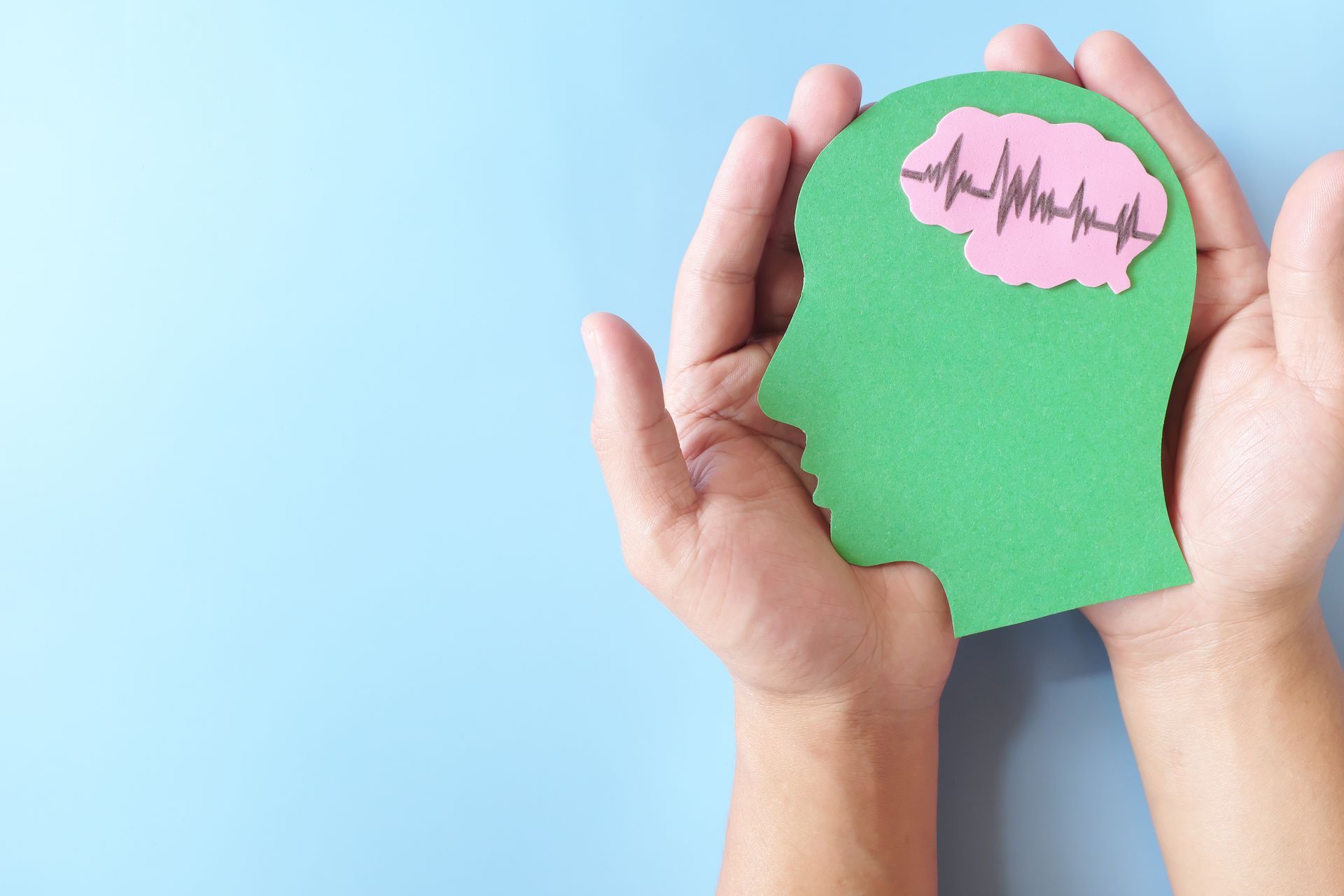

Health, Lifestyle Medicine, and Disability: A Practical Approach for Everyday Living

When we think about supporting people with disability, we often focus on therapy plans, equipment, and services. These are essential, but there is another layer that deserves equal attention: how everyday habits shape health, wellbeing, and participation in life.
Lifestyle medicine is a growing area that looks at how daily choices influence physical and mental health. For people living with disability, this approach is especially relevant. It brings the focus back to small, meaningful changes that can improve energy, function, independence, and overall quality of life. Occupational therapy aligns closely with lifestyle medicine by supporting people to build sustainable daily routines and habits that enable participation in meaningful activities and promote long-term health.
At its core, lifestyle medicine is built on six key pillars. These pillars are not about perfection or strict rules. They are about creating sustainable routines that work for each person’s needs, abilities, and goals.
1. Nutrition that supports function
Food is more than fuel. It affects energy levels, mood, gut health, and even pain. For many of the people we support, barriers such as fatigue, limited mobility, or access to cooking spaces can make healthy eating difficult.
From an occupational therapy perspective, we look at practical strategies. This might include simplifying meal preparation, using adaptive kitchen tools, or building routines around grocery planning. The aim is to make nutritious food accessible, not overwhelming.
2. Movement that is meaningful
Exercise does not have to mean structured workouts or gym sessions. Movement can be anything that supports mobility, strength, and participation in daily activities. This might be transferring safely, walking short distances, or engaging in hobbies that involve physical activity.
The key is tailoring movement to the individual. When movement is meaningful and achievable, it is more likely to become part of everyday life rather than a task that feels out of reach.
3. Restorative sleep
Sleep plays a critical role in cognitive function, emotional regulation, and physical recovery. Many people with disability experience sleep challenges due to pain, medication, or environmental factors.
Simple adjustments can make a significant difference. Establishing a consistent routine, improving the sleep environment, and reducing stimulation before bed are all strategies we often explore in therapy.
4. Managing stress and emotional wellbeing
Living with disability can involve navigating complex systems, health challenges, and social barriers. This can create ongoing stress, which impacts both mental and physical health.
Lifestyle medicine encourages developing tools to manage stress in ways that feel realistic. This could include mindfulness, structured routines, or engaging in calming activities. As occupational therapists, we support individuals to identify what works for them and to build those practices into their daily lives.
5. Social connection
Connection is a powerful contributor to wellbeing. Yet many people with disability experience isolation due to access barriers or limited opportunities for engagement.
Supporting social participation is a core part of occupational therapy. Whether it is reconnecting with community groups, building confidence in social settings, or using technology to stay in touch, small steps can help strengthen relationships and a sense of belonging.
6. Reducing harmful habits
This pillar focuses on minimising behaviours that negatively impact health, such as smoking or excessive alcohol use. It is important to approach this area with sensitivity and without judgement.
Change in this space is often gradual. Our role is to provide education, support, and practical alternatives that align with the person’s goals and readiness.
Why this matters in disability support
Lifestyle medicine aligns closely with person centred, goal driven practice. It shifts the conversation from what someone cannot do to what is possible within their environment and capacity.
For people accessing disability supports, including programs such as DSOA, integrating these principles can enhance outcomes. It can support functional independence, improve health stability, and reduce the impact of secondary conditions.
Importantly, this approach does not sit separately from therapy. It is woven into everyday interventions. When we support someone to cook a meal, build a routine, or engage in community activities, we are already working within these pillars.
Bringing it into practice
The most effective strategies are often the simplest. Start with one small change. Build consistency. Celebrate progress.
As clinicians, our role is to meet people where they are and work alongside them to create routines that are realistic and meaningful. Lifestyle medicine offers a framework that helps guide this work in a holistic and practical way.
When we look beyond individual appointments and think about daily habits, we open up new opportunities for improving health and participation. That is where long term change happens.
Tran is currently completing formal training in lifestyle medicine, supporting the integration of this emerging approach into everyday occupational therapy practice.
News & Insights
Check Our Latest Resources