August 23, 2026
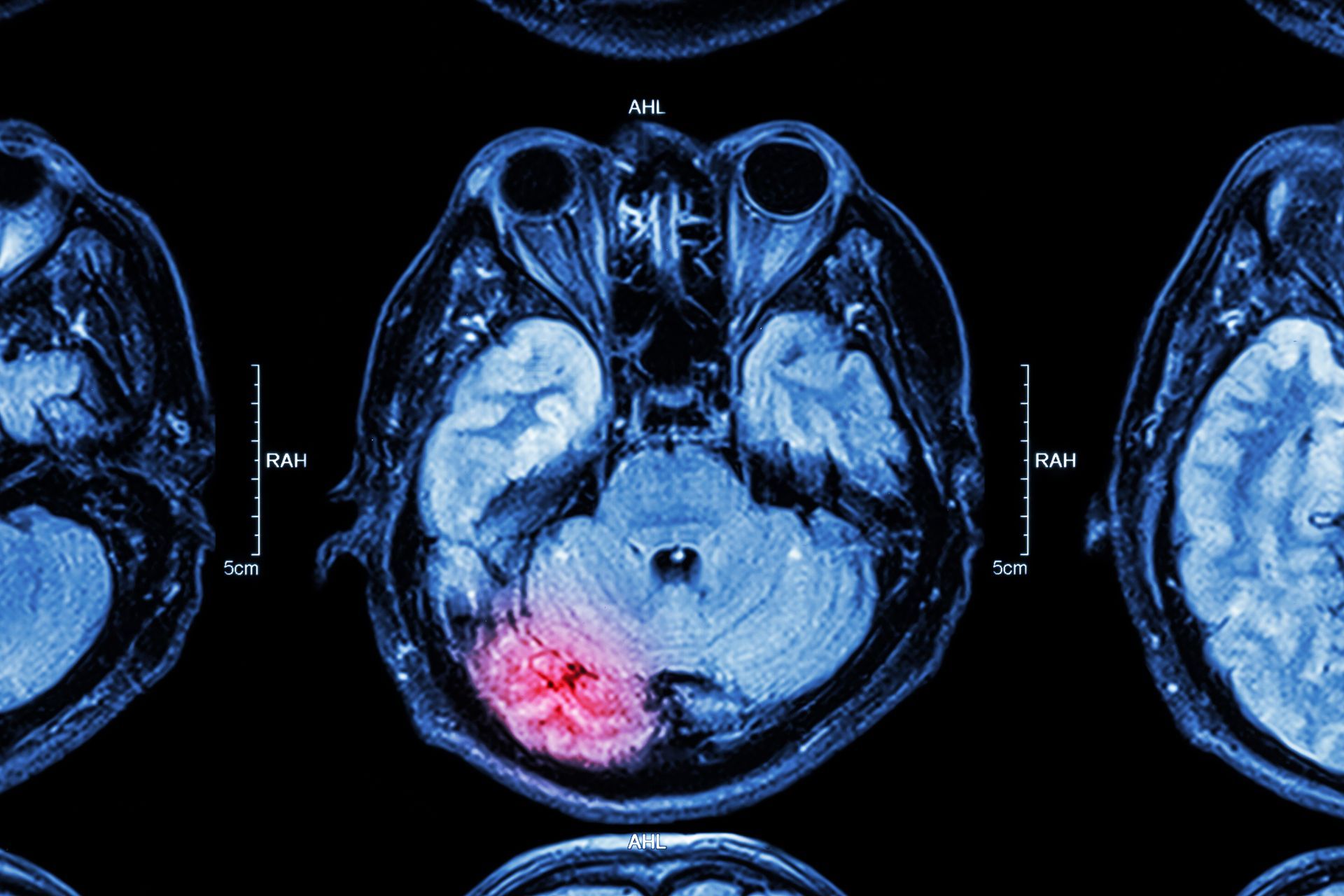
When we hear the term brain injury , it's easy to think of the physical impacts first. However, for many people living with a brain injury, the challenges are often far less visible. Changes to memory, emotions, fatigue, communication, concentration, and everyday routines can affect a person's life long after the initial injury has occurred. Brain Injury Awareness Month is an important opportunity to increase understanding, challenge misconceptions, and recognise the resilience of the many Australians living with a brain injury every day. What Is a Brain Injury? A brain injury occurs when damage to the brain affects how a person thinks, feels, behaves, or functions in daily life. Some injuries are caused by external events such as falls, motor vehicle accidents, sporting injuries, or assaults. Others may result from medical conditions such as stroke, infection, lack of oxygen, brain tumours, or substance-related injuries. No two brain injuries are the same. The effects depend on the area of the brain affected, the severity of the injury, the person's supports, and their individual strengths and circumstances. For some people, the impacts may be relatively mild and short-lived. For others, they can be lifelong and require ongoing support. The Invisible Challenges One of the most misunderstood aspects of brain injury is that many impacts cannot be seen. A person may walk, talk, and appear physically well, yet experience significant difficulties with: Memory and recall Planning and organisation Attention and concentration Managing emotions Processing information Problem-solving Managing fatigue Social communication These challenges can affect a person's confidence, relationships, employment, education, and participation in the community. Because the impacts are often invisible, people living with brain injury can sometimes face unrealistic expectations or misunderstandings from those around them. What Does Recovery Look Like? Recovery from a brain injury is rarely a straight line. For many people, recovery is less about returning to exactly how life was before and more about learning new ways to achieve meaningful goals. Progress may happen over months or years, and every person's journey is unique. Recovery can include: Relearning daily skills Developing new strategies to manage challenges Building confidence in social situations Returning to study, work, or volunteering Increasing independence at home and in the community Strengthening relationships and support networks Importantly, recovery is not defined solely by clinical outcomes. It is also about quality of life, choice, participation, and finding ways to live a fulfilling life. A person who independently catches public transport, reconnects with friends, manages their weekly routine, or advocates for their own needs may be achieving incredible milestones that deserve recognition. The Importance of Support The right support can make a significant difference in helping a person navigate life after a brain injury. Support may come from many different sources, including: Family members and carers Support workers Occupational therapists Speech pathologists Psychologists Physiotherapists Behaviour support practitioners Support coordinators Peer support groups and community networks Effective support focuses on a person's strengths, goals, interests, and aspirations rather than solely on their challenges. Common Strategies That Can Help While every individual is different, a range of practical strategies are commonly used to support people living with brain injury. External memory supports Phone reminders Visual schedules Diaries and calendars Checklists and task planners Structured routines Maintaining consistent daily schedules Breaking tasks into smaller, manageable steps Planning activities ahead of time Fatigue management Building rest breaks into the day Prioritising important tasks Using energy conservation strategies Communication supports Providing information clearly and simply Allowing extra processing time Using visual supports where appropriate Emotional regulation strategies Mindfulness and relaxation techniques Identifying triggers and early warning signs Developing personalised coping strategies These approaches are often most effective when tailored to the individual's needs, preferences, and goals. Looking Beyond the Diagnosis People living with brain injury are often navigating challenges that others cannot see. Yet they are also raising families, building relationships, pursuing careers, volunteering, participating in their communities, and achieving personal goals every day. Brain Injury Awareness Month reminds us that disability is only one part of a person's story. By increasing awareness, promoting understanding, and focusing on strengths, we can help create communities where people living with brain injury feel valued, included, and supported to live the lives they choose. Because behind every diagnosis is a person with their own experiences, abilities, aspirations, and potential. Sometimes the most powerful support we can offer begins with understanding.