

Why Consistency Matters: The Impact of Predictable Routines on Behaviour and Wellbeing
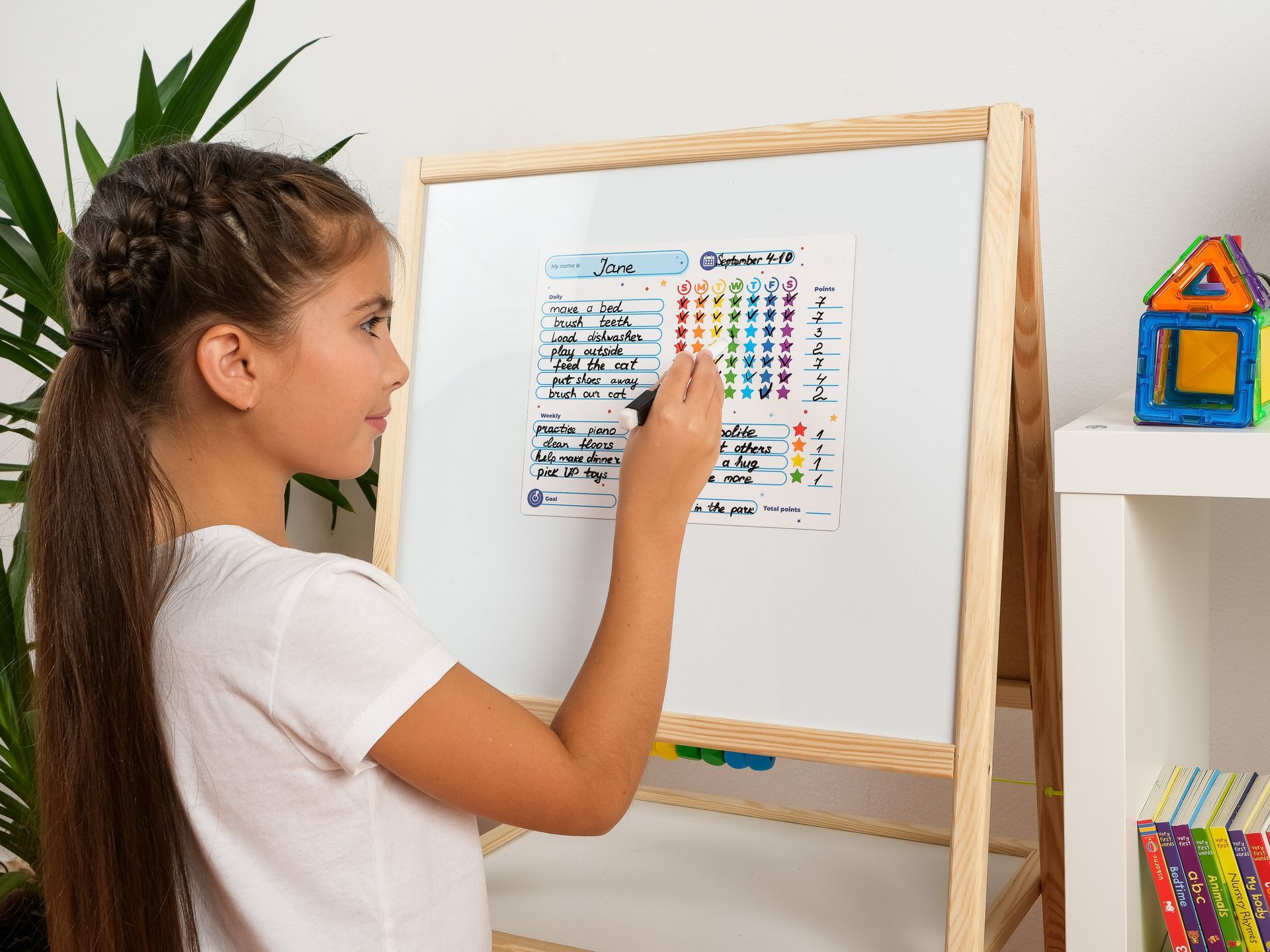
Predictability can play a powerful role in helping people feel safe, calm, and ready to take part in everyday activities. When routines are clear and consistent across home, school, and community settings, it becomes much easier for a person to understand what is expected and what will happen next. This sense of certainty can reduce worry, minimise confusion, and prevent escalation before it begins. For many people, especially those with additional support needs, knowing what comes next in the day can be the difference between feeling grounded and feeling overwhelmed.
Consistency supports learning as well. When the same expectations and responses are used across different environments, skills build more quickly. A person can practise the same steps, receive the same message, and experience the same outcome each time. This helps strengthen understanding and encourages confidence. Predictability also means that people receive clear and fair guidance. When boundaries or expectations change from one setting to another, it can be difficult for someone to know how to behave or how to prepare themselves emotionally. Consistent routines reduce that pressure and help the person feel more in control.
Calm, predictable routines also support positive relationships. When a person knows that adults around them will respond in a steady and supportive way, trust grows. This trust makes it easier for them to accept help, cope with challenges, and manage transitions. It also makes difficult moments less stressful for families and support teams, as everyone is working together with the same shared approach.
It is important to remember that consistency does not mean rigidity. It simply means creating a steady foundation that helps the person feel secure. Flexibility still has a place, especially when unexpected events come up, but having a familiar routine to return to makes those changes far easier to manage. Simple things like predictable morning steps, regular cues before transitions, and shared expectations across environments can make an enormous difference in how smoothly the day unfolds.
By building consistent routines and shared approaches, we create environments where people can thrive. A steady rhythm to the day supports regulation, builds independence, and helps reduce stress for the person and the people around them. It is one of the most effective ways we can promote wellbeing, confidence, and meaningful participation at home and in the community.
News & Insights
Check Our Latest Resources