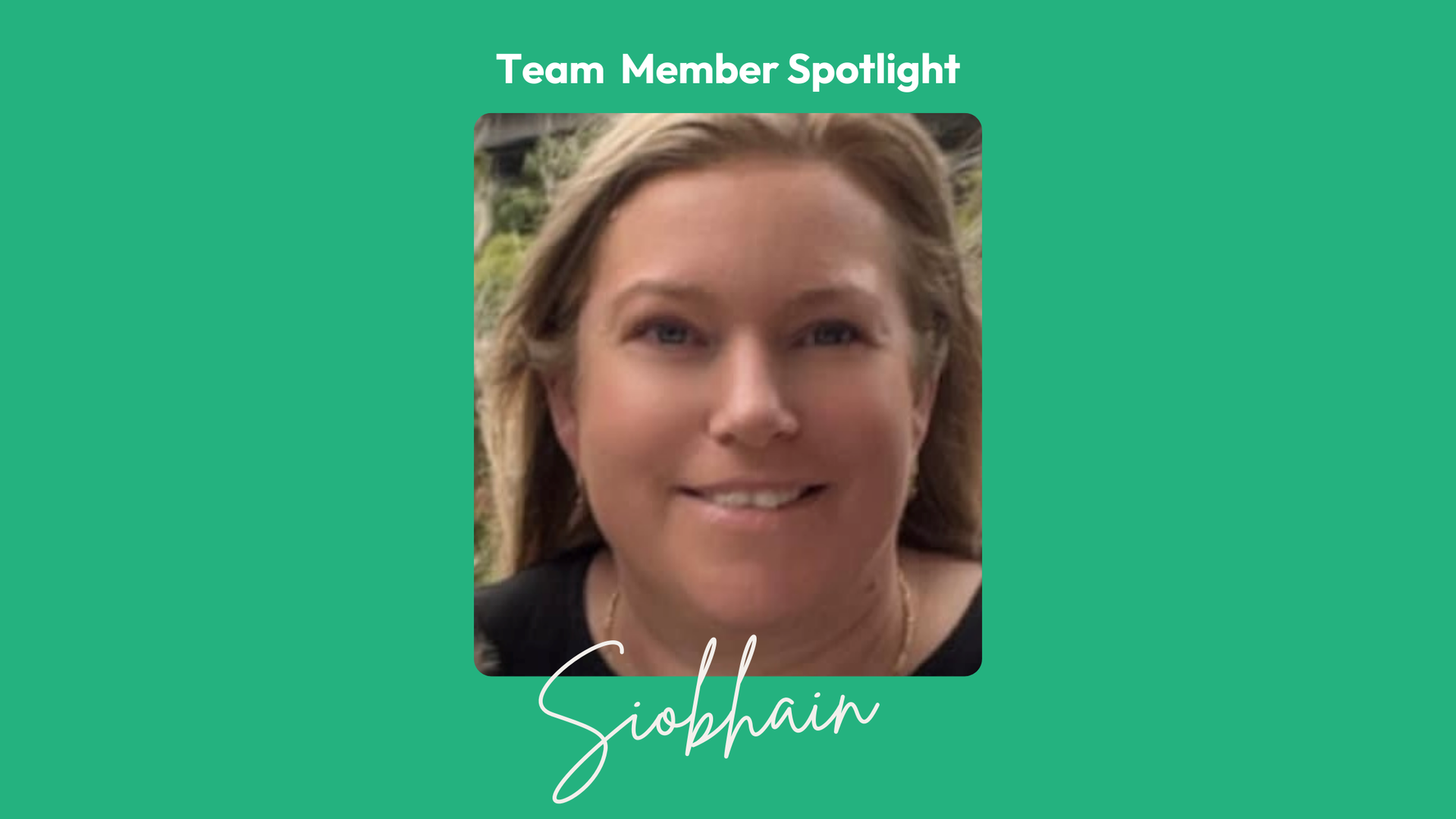
Meet Siobhain, Making a Difference Every Day

December 22, 2025

Hi, I’m Siobhain, and I’ve been working in the disability and behaviour support space for over 11 years, with the last two years at Helpz.


What keeps me passionate about this work?


It’s simple, I love being part of an organisation where kindness, compassion, and inclusion aren’t just words, they’re the foundation of everything we do.


Every day, I get to work alongside colleagues who truly embrace individuality.


We support each other, share ideas, and create an environment that encourages growth and learning. That sense of teamwork means I can focus on what matters most- helping participants build independence, resilience, and confidence so they can achieve their goals and live life on their terms.


Why I Love What I Do


For me, the most rewarding part of my job is making a real difference. Whether it’s supporting someone to develop daily living skills or helping them navigate complex challenges, I thrive on seeing progress, big or small. Those moments remind me why I chose this career.


I have a strong interest in mental health, particularly areas like PTSD, palliative care, drug and alcohol support, and working with young people who haven’t been able to live in their family home. These experiences have shaped my approach and deepened my commitment to providing compassionate, person-centred support.


A Little About Me


Outside of work, life is busy and full of love. I share my home with six cats and a cheeky golden retriever named Walter. When I’m not caring for animals or supporting participants, you’ll find me learning the piano, it’s my way of challenging myself and finding calm.


At Helpz, we believe in creating opportunities for growth, not just for participants, but for our team too. I’m proud to be part of an organisation that values people, celebrates individuality, and works every day to make a positive impact.

News & Insights

Check Our Latest Resources

February 15, 2026
Over the weekend, many people celebrated Valentine’s Day, a time that highlights love, connection and belonging. While the flowers and cards may fade, the deeper message remains: relationships and intimacy are central parts of being human. For people with disability, however, these areas of life are often surrounded by misunderstanding, stigma and unnecessary restriction. The truth is simple: people with disability have the same human rights to sexuality, relationships, safety and self‑determination as anyone else. This includes the right to have relationships, express affection, explore identity, seek connection, and make informed choices. Yet in practice, many people with disability continue to face barriers. From limited access to education, to overprotection, to environments where their needs are misunderstood or overlooked. As professionals in the field, we play a crucial role in ensuring people with disability are supported with dignity, respect and clear information. That’s why this month, in the spirit of Valentine’s Day, we’re excited to highlight our online training Relationships & Sexuality for Adults with a Disability . A practice‑focused session designed to equip carers and professionals with the knowledge and confidence to support individuals safely, ethically and respectfully. What the Webinar Covers 1. The Rights of People with Disability: Understanding rights is the first step in upholding them. 2. Assessment of Sexual Knowledge: Many people with disability simply haven’t been given clear, accessible education. We discuss respectful ways to explore what a person knows, identify gaps, and plan education that builds independence and safety. 3. Identifying Relationship Types and Boundaries: From friendships to romantic relationships to professional boundaries, people need simple, concrete ways to understand different types of relationships. Our webinar shares tools and visuals that support this learning. 4. Traits of a Healthy Relationship: Kindness, respect, choice, trust and safety. We break down these ideas that help people recognise what healthy relationships look and feel like. 5. Teaching Consent and Pro‑Social Behaviours: Consent is more than “yes” or “no.” We cover: how to teach consent step‑by‑step how to model respectful interactions how to support people to communicate their own boundaries how to recognise the boundaries of others 6. Supporting the Need for Privacy: Privacy is a right , not a privilege. We discuss strategies to teach privacy in ways that keep people safe, empowered and respected. 7. Internet Dating Safety: Online platforms can provide connection, inclusion and opportunity, but also risks. We provide practical strategies for: teaching online safety recognising red flags supporting safe communication navigating photos, profiles and personal information 8. Exploring Personal Needs Through Accessing Sex Workers: A sensitive but important topic. We approach this area with professionalism; this discussion helps workers feel confident navigating a topic that often arises but is rarely talked about openly or respectfully. Why This Matters For people with disability, opportunities for connection are often controlled by others. Overprotection, even when well‑intentioned, can unintentionally limit autonomy, confidence and emotional wellbeing. By improving support around sexuality and relationships, we help people: build self‑advocacy form safe, meaningful relationships understand consent reduce vulnerability to abuse improve mental and emotional wellbeing experience the joy and connection they deserve Valentine’s Day is a reminder that love, belonging and intimacy are not luxuries, they are part of human life. Our role is to ensure people with disability are empowered to navigate these areas safely and confidently. Join Us for the Webinar Whether you’re new to the topic or looking to deepen your practice, this webinar will leave you with practical tools, deeper understanding and greater confidence to support people with disability in one of the most important areas of life: relationships, identity and human connection. Let’s work together to ensure every person, regardless of disability, has the opportunity to experience safe, fulfilling relationships rooted in respect and autonomy.
February 15, 2026
What is Developmental Coordination Disorder—and Why Does It Matter?
February 15, 2026
From 6–15 March 2026, the world will turn its eyes to Milano Cortina for the Winter Paralympic Games. And Australia is heading there with a powerful, determined team across four disciplines: para-alpine skiing, para-snowboard, para-cross country and para-biathlon. Leading the charge is dual Paralympic medallist Ben Tudhope, alongside team captain Sean Pollard. For many Australians, the Winter Paralympics are about elite sport. But they are also about representation, resilience and reimagining what’s possible. A team built on grit and talent Australia’s 2026 Winter Paralympic team features a strong mix of experience and emerging talent. Para-snowboard Ben Tudhope (2022 Paralympic bronze medallist) Sean Pollard Amanda Reid Aaron McCarthy Blair Rosser Para-alpine skiing Josh Hanlon (World Cup medallist) Georgia Gunew (with guide Ethan Jackson) Liana France Sam Tait Para-nordic (biathlon and cross-country) Lauren Parker Dave Miln Lynn-Maree Cullen With Chef de Mission Ben Troy and captain Sean Pollard providing leadership, the team heads into Milano Cortina with both confidence and clarity of purpose. Backed by more than $2 million in Australian Government funding to support preparation, training and performance, these athletes are not just participating. They are competing to win. Why this matters beyond the podium When athletes like Ben Tudhope line up at the start gate, something bigger happens. Young people with disability see someone who looks like them in a high-performance environment. Families see possibility. Communities see strength, skill and dedication rather than limitation. Sport can be transformative. It builds confidence, independence, community connection and physical wellbeing. It challenges stereotypes and expands what society believes is achievable. At helpz, we see this same transformation every day in different ways. Whether through allied health support, behaviour support, occupational therapy, speech pathology or creative therapies, our work is about enabling people to participate fully in life. For some, that might mean the Paralympics. For others, it might mean joining a local sports club, learning a new skill, returning to school with confidence or navigating everyday challenges with greater independence. Every goal matters. The road to Milano Cortina Preparation for the Winter Paralympics is intense. It requires physical endurance, mental resilience, technical precision and strong support networks. Behind every athlete is a team of coaches, clinicians, families and supporters. Behind every run is years of training. As we head towards March 2026, we’ll be cheering for Ben and the entire Australian team. Not just for medals, but for what they represent. Courage. Capability. Community. And a powerful reminder that disability does not define potential We can’t wait to see what they achieve on the snow.